

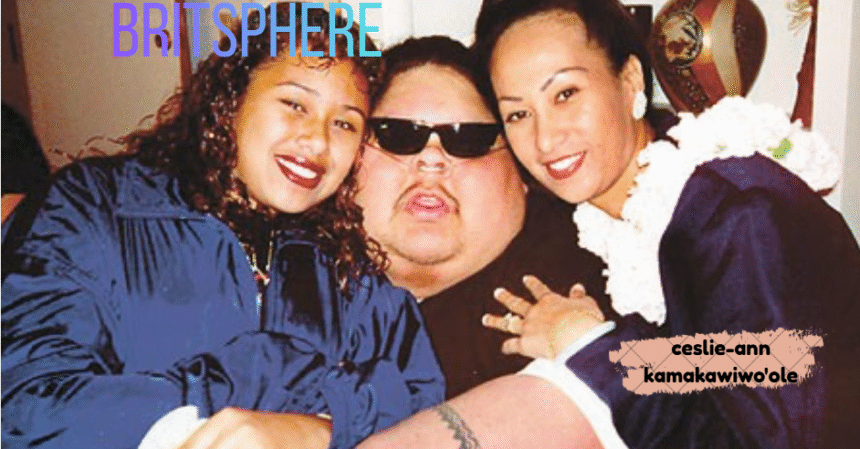
Ceslie‑Ann Kamakawiwo’ole is a name that resonates with aloha, cultural pride, and artistic depth. Much more than a figure in Hawaiian music and cultural expression, she represents a living connection to traditions that have shaped Hawaii’s identity for generations. This article offers an engaging, in‑depth examination of her life journey, achievements, and enduring influence. With thoughtful analysis, we will explore how her work reflects heritage, community values, and the ongoing significance of preserving Hawaiian culture.
Understanding the Roots of Ceslie‑Ann Kamakawiwo’ole
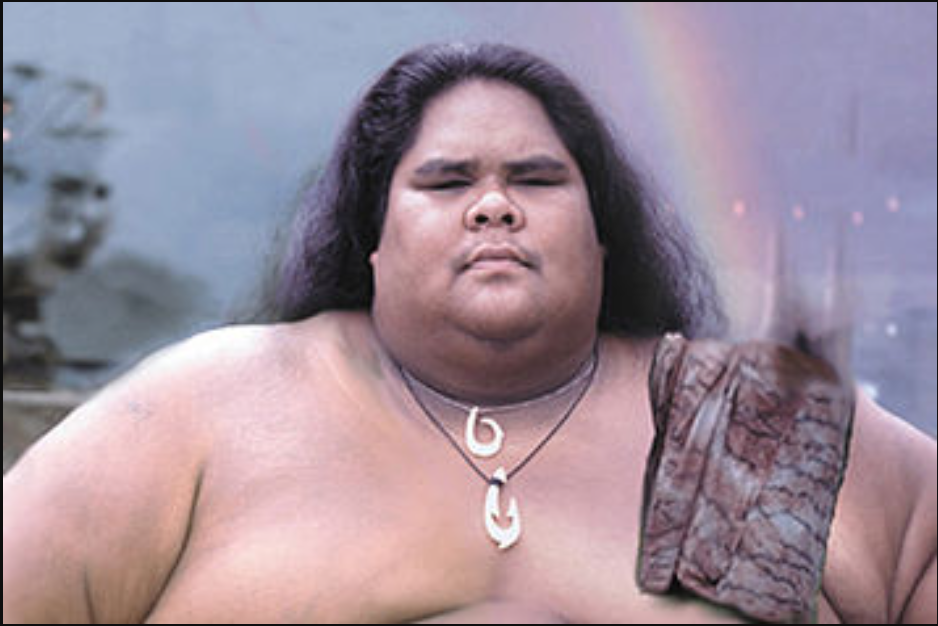
To appreciate Ceslie‑Ann Kamakawiwo’ole, one must understand the cultural roots from which she emerged. Born into a community where music and storytelling are essential modes of expression, her upbringing fostered a deep respect for Hawaiian traditions. Family, community, and the spirit of aloha played pivotal roles in shaping her worldview and artistic instincts.
Unlike many contemporary figures whose fame is tied to global commercialization, Ceslie‑Ann’s influence comes from authenticity. Her connection to the land, language, and people of Hawaii infuses her art and public presence with sincerity and depth. Although sources vary on the details of her early life, she consistently devoted herself to preserving and celebrating Hawaiian cultural practices.
The Influence of Family and Hawaiian Heritage
Family influence is central in understanding Ceslie‑Ann Kamakawiwo’ole’s life trajectory. In Hawaiian culture, lineages and genealogies (known as ʻohana and moʻokūʻauhau) hold immense significance, often informing a person’s identity and responsibilities. For Ceslie‑Ann, growing up amid music, storytelling, and communal values cultivated a sense of purpose rooted in cultural continuation rather than personal fame.
Also Read: 10 Mental Health Benefits of Golf You Should Know
This cultural grounding is evident in her approach to music and community engagement. Hawaiian music itself blends indigenous sounds, language, and historical narratives. It acts as a vessel for preserving ʻŌlelo Hawaiʻi (Hawaiian language) and shared memories of place and people. By embracing and promoting these traditions, Ceslie‑Ann contributes to a broader resurgence of Hawaiian cultural pride, particularly among younger generations seeking connection to their roots.
Artistic Expression and Musical Contributions
Ceslie‑Ann Kamakawiwo’ole’s creative output reflects a fusion of traditional Hawaiian motifs with contemporary expression. Her approach demonstrates respect for both ancestral forms and modern audiences. In her music, one can hear echoes of mele (Hawaiian chant) and ukulele rhythms, tied together with lyrics that invoke themes of natural beauty, spiritual reflection, and cultural resilience.
Her artistic impact lies not only in her recordings or performances but in how she uses art to educate and inspire. Listeners often describe her music as soothing yet powerful, capable of conveying a profound sense of place. Through songs that honor the land (aina), sea (kai), and community (kākoʻo), she invites audiences to reflect on deeper values of connection and stewardship.
Part of her influence also stems from how she champions the Hawaiian language. In an era when indigenous languages face erosion globally, efforts to sing, speak, and write in ʻŌlelo Hawaiʻi contribute to cultural preservation and revitalization. Ceslie‑Ann’s work aligns with broader movements across Hawaii that promote language immersion schools, cultural programs, and community initiatives designed to keep traditions vibrant and relevant.
Cultural Advocacy and Community Engagement
Beyond her artistic endeavors, Ceslie‑Ann Kamakawiwo’ole has been recognized for her commitment to community and cultural advocacy. Her voice extends beyond music to public conversations about identity, heritage, and inclusive representation. She has participated in community gatherings, cultural festivals, and educational events that highlight Hawaiian history, land stewardship, and collective resilience.
One important aspect of her advocacy is promoting awareness of malama ʻaina — the Hawaiian principle of caring for the land. This value emphasizes environmental respect and sustainability, urging communities to consider the long‑term health of ecosystems and resources. Through her public platforms, Ceslie‑Ann encourages discussions about conservation, community well‑being, and sustainable living.
Her influence is also felt in collaborations with other artists and cultural practitioners. By forging creative partnerships, she strengthens connections within Hawaii’s artistic community and amplifies cultural narratives that might otherwise be marginalized. These collaborations enrich local arts scenes while offering broader audiences opportunities to engage with Hawaiian perspectives.
The Global Resonance of Hawaiian Music and Identity
While Ceslie‑Ann Kamakawiwo’ole’s work is deeply rooted in Hawaiian traditions, it also resonates with global audiences. Hawaiian music has long attracted listeners around the world who are drawn to its melodic warmth and cultural richness. Icons like Israel Kamakawiwo’ole helped bring Hawaiian music to international stages, and figures like Ceslie‑Ann continue that legacy in contemporary contexts.
The global appeal of Hawaiian music is tied to its ability to convey universal themes — love, loss, connection to nature — through a cultural lens that feels both intimate and expansive. For many listeners, hearing Hawaiian language and instruments evokes a sense of calm, reflection, and curiosity about the cultural narratives embedded within the sound.
Ceslie‑Ann’s contributions amplify this global resonance while remaining grounded in authentic cultural expression. Her work invites listeners not just to enjoy the music but to explore the contexts that give it meaning — histories of monarchy, colonization, cultural revival, and community resilience. In this way, her art bridges local identity with universal human experiences.
The Importance of Cultural Preservation
In an age of rapid change and globalization, cultural preservation becomes increasingly important. Languages, art forms, and traditional knowledge can be vulnerable without active efforts to maintain them. Ceslie‑Ann Kamakawiwo’ole’s work reflects a broader movement within Hawaii that seeks to honor and safeguard indigenous heritage.
This emphasis on preservation extends beyond artistic expression to educational programs, language revitalization efforts, and community initiatives. For example, Hawaiian language immersion schools have grown in number over recent decades, offering young people opportunities to learn ʻŌlelo Hawaiʻi as their first language. Music, storytelling, and cultural practices serve as important tools in these educational settings, reinforcing identity and historical continuity.
By participating in and supporting these efforts, Ceslie‑Ann contributes to a cultural legacy that is dynamic rather than static. Her engagement demonstrates how tradition and innovation can coexist, allowing new generations to reinterpret ancestral wisdom while adapting to contemporary contexts.
How Ceslie‑Ann Inspires Future Generations
One of Ceslie‑Ann Kamakawiwo’ole’s most lasting impacts may be the way she inspires young people to embrace their cultural heritage with confidence and creativity. Her story shows how authentic artistic expression fosters self‑understanding and builds community pride.
Young musicians, cultural practitioners, and activists look to figures like Ceslie‑Ann as models for how to balance tradition with contemporary relevance. Her example shows that cultural identity does not need to be confined to historical texts or archives; it can live vibrantly through performance, education, and everyday engagement with community.
In this way, her legacy extends beyond specific songs or public appearances. It lives in the hearts and minds of individuals who feel encouraged to share their own stories, express love for their heritage, and participate actively in cultural life.
Summarizing the Impact of Ceslie‑Ann Kamakawiwo’ole
Ceslie‑Ann Kamakawiwo’ole stands as a meaningful voice within Hawaiian culture, music, and community life. Her dedication to artistic excellence, cultural preservation, and community engagement reflects deep respect for tradition and an inspiring devotion to future generations. She highlights the richness of Hawaiian identity through her music and advocacy, inviting the world to appreciate its beauty and depth.
Her influence shows that music and cultural expression do more than entertain. They carry history, foster connection, and reflect shared humanity. Ceslie‑Ann inspires listeners and cultural advocates alike. She provides a clear example of how one person can make a lasting impact through authenticity, creativity, and community care.
Conclusion
Ceslie‑Ann Kamakawiwo’ole embodies the powerful intersection of artistry and cultural stewardship. Her life and work illuminate the importance of honoring heritage while fostering meaningful engagement with broader audiences. Her music inspires many, and her advocacy for cultural and environmental values impacts communities in Hawaii and beyond. In celebrating her legacy, we also celebrate the enduring spirit of Hawaiian art, language, and community.
FAQs
Who is Ceslie‑Ann Kamakawiwo’ole?
Ceslie‑Ann Kamakawiwo’ole is a Hawaiian artist and cultural advocate known for her contributions to music, language preservation, and community engagement.
What cultural values does she promote?
Her work highlights Hawaiian traditions, language revitalization, environmental stewardship, and the principle of malama ʻaina, or caring for the land.
How has she influenced Hawaiian music?
Her music blends traditional Hawaiian sounds with contemporary elements, helping to preserve and share cultural narratives through song.
Why is her work significant today?
In a world where indigenous cultures often face marginalization, her commitment to authenticity, cultural pride, and community service offers an inspiring example for future generations.
What can listeners learn from her art?
Listeners can gain appreciation for Hawaiian language, values of connectedness to land and community, and the power of music as a tool for cultural expression and education.
For More: https://britsphere.co.uk/