


Bolivia doesn’t shout about its food. It doesn’t need to. The flavors here whisper stories of the Andes, the Amazon, and centuries-old traditions passed down through family kitchens. One bite can feel like a conversation with history. That’s exactly why this Bolivia Food Guide exists—to help you taste the country beyond postcards and clichés.
If you’ve ever wondered what Bolivians actually eat at home, what fills local markets at dawn, or why lunch is the most important meal of the day, you’re in the right place. This guide is written for curious travelers, food lovers, and anyone who believes culture is best understood through a plate of real food.
Why Bolivian Cuisine Deserves Global Attention
Bolivian cuisine is one of South America’s most underrated food cultures. While neighboring countries often get the spotlight, Bolivia quietly preserves indigenous cooking techniques, native ingredients, and regional diversity that feels refreshingly untouched.
What makes it special is the balance between simplicity and depth. Many Bolivia Food dishes rely on just a handful of ingredients—potatoes, corn, quinoa, meats—but the flavors are layered through slow cooking, seasoning, and tradition. Moreover, Bolivia’s geography shapes its food in dramatic ways, from high-altitude Andean meals to tropical Amazonian dishes.
This Bolivia Food Guide will walk you through those layers, one region and recipe at a time.
Core Ingredients That Define Bolivian Food
Before diving into specific dishes, it helps to understand the backbone of Bolivian cooking. These ingredients appear again and again, forming the soul of the cuisine.
Staples You’ll See Everywhere
- Potatoes (over 4,000 native varieties)
- Corn and maize-based products
- Quinoa and other ancient grains
- Beef, chicken, pork, and llama meat
- Ají peppers (mild to medium heat)
- Rice and legumes
- Cheese, especially fresh farmer’s cheese
In addition, herbs like huacataya and local spices give Bolivian food its distinct aroma. Cooking methods often involve boiling, stewing, roasting, and frying, which makes meals hearty and filling.
Traditional Bolivian Dishes You Must Try
Any serious Bolivia Food Guide has to start with the classics. These are the dishes locals crave and travelers remember long after the trip ends.
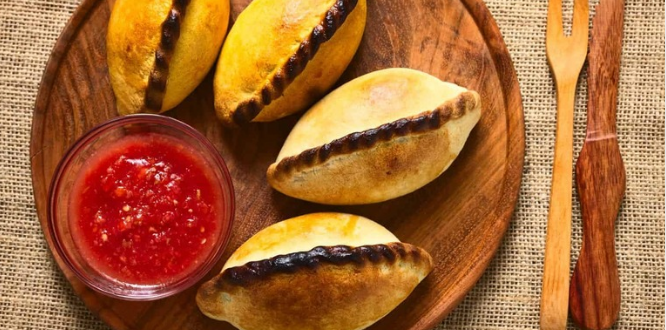
Salteñas: Bolivia’s Beloved Snack
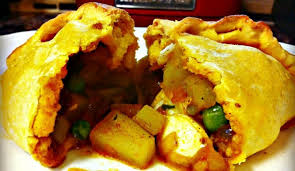
Salteñas are not empanadas, even though they look similar. They are baked pastries filled with juicy meat stew, potatoes, peas, olives, and eggs. The broth inside is slightly sweet and spicy, thanks to ají amarillo.
They’re typically eaten mid-morning, and there’s an art to eating one without spilling the filling. Locals will happily judge your technique.
Sopa de Maní: Peanut Soup with Heart
This creamy peanut soup is comfort food at its finest. Made with ground peanuts, beef or chicken, vegetables, and sometimes pasta or potatoes, it’s filling without being heavy.
Moreover, it’s often served with a side of crispy fries, which might surprise first-timers but makes perfect sense once you try it.
Silpancho: A Cochabamba Classic
Silpancho is a plate that doesn’t mess around. Thin breaded beef, rice, boiled potatoes, fried eggs, and a fresh tomato-onion salsa come together in a satisfying, no-nonsense meal.
Cochabamba is often called Bolivia’s food capital, and silpancho is one reason why.
Pique Macho: Bold, Spicy, and Social
This dish is designed for sharing. Pique macho combines chunks of beef, sausages, fried potatoes, peppers, onions, boiled eggs, and spicy sauces.
It’s messy, intense, and deeply Bolivian. Many locals say if you can handle pique macho, you can handle Bolivia.
Regional Food Traditions Across Bolivia
Bolivia’s culinary diversity mirrors its landscapes. This Bolivia Food Guide wouldn’t be complete without exploring the regions.
Andean Highlands Cuisine
High-altitude cooking is practical, warming, and rooted in indigenous traditions.
Popular Highland Dishes
- Chairo soup with chuño (freeze-dried potatoes)
- Llama meat stews
- Quinoa-based meals
- Oca and tarwi dishes
Chuño deserves special mention. These dehydrated potatoes are made using freezing nighttime temperatures and sun-drying during the day. It’s a technique that dates back centuries and still plays a major role in Bolivian food culture.
Valley Cuisine: Fresh and Flavorful
The valleys, especially around Cochabamba and Sucre, are known for agricultural abundance and generous portions.
Must-Try Valley Foods
- Mondongo (pork with spicy sauce)
- Chorizo chuquisaqueño
- Humintas (steamed corn cakes)
- Picante de pollo
Valley dishes often balance spice with freshness, making them approachable for visitors.
Amazonian and Lowland Food
In the eastern lowlands and Amazon basin, food becomes lighter and more tropical.
Amazon-Inspired Dishes
- Majao (rice with dried meat)
- Fish wrapped in banana leaves
- Cassava-based recipes
- Plantains and tropical fruits
Moreover, coconut milk and river fish play a bigger role here, creating flavors that feel worlds away from the Andes.
Bolivian Street Food Culture
Street food is where this Bolivia Food Guide really comes alive. Markets, plazas, and bus stations are packed with vendors serving affordable, delicious meals.
Bolivian Food Street Food Favorites
- Anticuchos (grilled beef heart skewers)
- Tucumanas (fried empanada-style snacks)
- Salchipapas
- Api with pastel (hot corn drink with fried pastry)
Street food in Bolivia isn’t just about convenience. It’s about community, routine, and comfort.
Bolivian Breakfasts, Lunches, and Dinners
Bolivians eat differently than many Western cultures, and understanding this rhythm enhances the experience.
Breakfast: Light and Sweet
Bolivian Food Breakfast is usually simple:
- Bread rolls
- Coffee or tea
- Api or tojorí
- Cheese pastries
Lunch: The Main Event
Lunch is the most important meal of the day. Many people eat a menú del día, which includes soup, a main course, and a drink.
Dinner: Casual and Flexible
Dinner is often lighter or replaced with street Bolivian Food . It’s common to see families grabbing salteñas or anticuchos in the evening.
Traditional Bolivian Drinks
No Bolivia Food Guide is complete without drinks.
Non-Alcoholic Classics
- Api morado (purple corn drink)
- Mocochinchi (peach drink)
- Tojorí (white corn beverage)
Alcoholic Beverages
- Singani (Bolivia’s national spirit)
- Chicha (fermented corn drink)
- Local beers
Bolivian Food Singani, in particular, is gaining international recognition for its floral, aromatic profile.
Indigenous Influence on Bolivian Food
Indigenous cultures shape Bolivian cuisine more than any modern trend. Quechua and Aymara traditions influence ingredients, cooking methods, and food rituals.
For example, pachamanca-style cooking honors Pachamama, or Mother Earth. Meals aren’t rushed. Food is respected. Nothing goes to waste.
This respect is one reason Bolivian food feels honest and grounded.
Food Etiquette and Dining Tips for Travelers
To truly enjoy this Bolivia Food Guide, a few cultural notes help.
- Lunch is sacred—don’t rush it
- Spicy sauces are optional but encouraged
- Portions are generous; sharing is normal
- Markets are safe if food is freshly cooked
Moreover, trying local food is seen as a sign of respect. Locals appreciate curiosity.
Vegetarian and Vegan Options in Bolivia
While meat is common, vegetarian travelers aren’t left out.
Plant-Based Friendly Foods
- Cheese-filled empanadas
- Quinoa soups
- Vegetable humintas
- Rice and bean dishes
However, it’s always wise to ask, as broths often contain meat.
Why Bolivian Food Stays With You
The magic of Bolivian cuisine isn’t about trends or presentation. It’s about memory. A bowl of soup on a cold mountain morning. A street snack shared with strangers. A home-cooked lunch that lasts two hours.
This Bolivia Food Guide isn’t just a list of dishes. It’s an invitation to slow down, taste deeply, and connect with a culture that cooks from the heart.
Conclusion:
Bolivia may not always be the first destination that comes to mind for food travel, but those who explore it rarely forget it. From highland stews to Amazonian flavors, every meal tells a story shaped by land, history, and people.
If this Bolivia Food Guide sparked your curiosity, don’t just read about it—experience it. Try the dishes, visit the markets, talk to locals, and let the flavors guide you. Share your favorite Bolivian meals, comment with your food questions, or pass this guide along to someone planning their next adventure. Some journeys begin with a single bite.
For More: Brit Sphere