


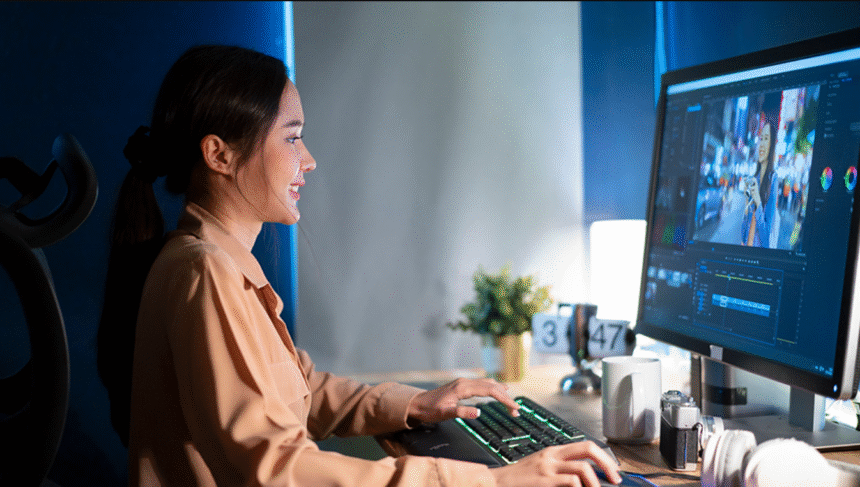
Creating professional videos is no longer limited to filmmakers and production studios. Today, creators, marketers, students, gamers, vloggers, and businesses all rely on strong editing skills to produce engaging content. Whether you upload videos to YouTube, TikTok, Instagram, or a professional website, understanding the right video editing tips can dramatically improve your results.
Modern audiences expect clean transitions, balanced audio, sharp visuals, and engaging storytelling. Poor editing can reduce watch time, while polished editing increases audience retention and brand credibility. Learning practical video editing tips helps creators save time, improve workflow, and create cinematic content without expensive equipment.
This guide explores essential techniques, creative strategies, and professional insights that can help beginners and experienced editors alike improve their projects. From choosing the right editing software to mastering pacing and color correction, every section focuses on actionable improvements that produce real results.
Why Video Editing Matters in Modern Content Creation
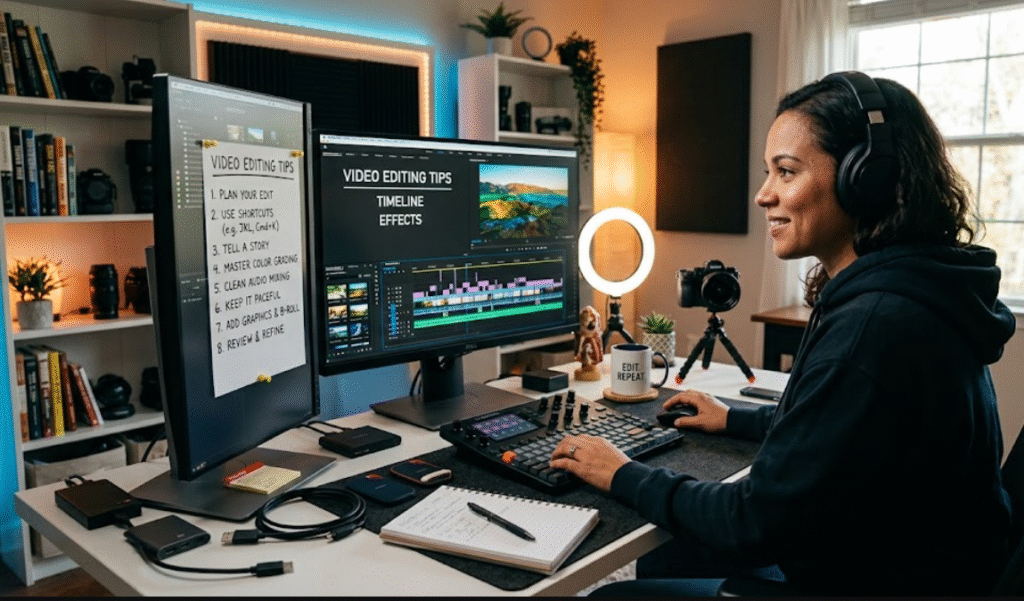
Video content dominates digital platforms because it captures attention quickly and communicates information effectively. However, raw footage rarely performs well without editing. Editing transforms simple recordings into polished visual stories that connect emotionally with viewers.
Strong editing improves pacing, removes distractions, enhances clarity, and keeps audiences engaged. Many successful creators spend more time editing than filming because post-production determines the final quality of the content.
Search engines also favor engaging video content. Better watch time and viewer interaction can improve rankings across platforms. This is why learning advanced video editing tips has become essential for digital growth and online visibility.
Understanding the Foundation of Great Video Editing
Before using advanced effects, editors must understand the core purpose of editing. Every cut, transition, sound effect, and visual adjustment should support the story.
Also Read: Tucker Carlson Wife Heiress Net Worth: What We Know
Professional editors focus on emotional flow rather than random effects. Smooth storytelling helps viewers stay interested from beginning to end. Effective editing balances creativity with clarity so the audience never feels confused or overwhelmed.
One of the most important video editing tips is learning when not to edit excessively. Over-editing can distract viewers and reduce professionalism. Simplicity often creates stronger visual impact.
Choosing the Right Video Editing Software
The software you choose affects workflow efficiency and creative flexibility. Beginners often start with user-friendly platforms, while professionals prefer advanced tools with deeper customization.
Popular editing software includes Adobe Premiere Pro, Final Cut Pro, DaVinci Resolve, and CapCut. Each platform offers different strengths. Some focus on cinematic color grading, while others prioritize speed and social media optimization.
Selecting software should depend on your editing goals, device compatibility, and learning curve. Many creators make the mistake of switching tools frequently instead of mastering one platform deeply.
Another valuable video editing tip is learning keyboard shortcuts early. Shortcuts significantly improve editing speed and reduce repetitive actions during long projects.
Organizing Footage Before Editing
Professional editors know that organization saves hours of frustration. Importing random clips into a timeline creates confusion and slows production.
Create folders for raw footage, music, voiceovers, graphics, transitions, and exported files. Rename clips clearly so they are easy to locate later. Organized workflows reduce stress and improve editing accuracy.
Many editors also create backup copies of important footage. Losing project files can destroy days of work. Cloud storage and external hard drives provide extra security for large video projects.
Mastering the Art of Storytelling
Storytelling is one of the most powerful video editing tips for improving viewer engagement. Even short videos need a clear beginning, middle, and ending.
Successful editors structure videos to maintain emotional momentum. Strong openings attract attention immediately, while smooth pacing keeps viewers watching longer. Effective endings encourage subscriptions, shares, or audience interaction.
Every edit should support the narrative flow. Unnecessary scenes weaken pacing and reduce audience retention. Skilled editors remove footage that does not contribute to the story, even if the footage looks visually impressive.
Improving Video Pacing for Better Engagement
Pacing determines how quickly scenes move and how viewers emotionally respond to content. Slow pacing can feel boring, while fast pacing may overwhelm audiences.
The ideal pace depends on the content type. Educational videos benefit from clarity and moderate speed, while gaming montages often use rapid cuts and energetic transitions.
One essential video editing tip is matching cuts with natural speech rhythms or music beats. This creates smoother viewing experiences and increases professional quality.
Pauses also matter. Strategic silence or slower scenes can create emotional impact and emphasize important moments.
Using Transitions Correctly
Transitions connect scenes and influence visual flow. However, many beginners overuse flashy effects that distract viewers from the content itself.
Professional editors often rely on simple cuts, fades, and dissolves because clean transitions appear more natural. Complex effects should only enhance storytelling rather than exist purely for decoration.
Smooth transitions improve continuity between scenes and maintain viewer focus. Matching movement direction between clips can also create seamless visual flow.
Among the best video editing tips is understanding that invisible editing often looks more professional than exaggerated effects.
Enhancing Audio Quality
Viewers may tolerate average visuals, but poor audio quickly drives audiences away. Clean sound is essential for professional content creation.
Background noise, uneven volume levels, and distorted recordings reduce video quality significantly. Editors should normalize audio, remove noise, and balance dialogue with music carefully.
Music should support the mood without overpowering narration. Sound effects can enhance immersion when used subtly.
Using headphones during editing helps detect audio issues more accurately. Many creators underestimate audio editing even though it strongly affects viewer retention.
Color Correction and Color Grading
Color correction ensures accurate lighting and consistent tones across clips. Color grading adds artistic mood and cinematic atmosphere.
Correcting exposure, contrast, white balance, and saturation creates professional-looking visuals. After correction, grading can establish emotional tone through stylistic color adjustments.
Warm tones often create emotional comfort, while cooler tones can suggest tension or seriousness. Successful editors use color intentionally rather than randomly applying filters.
One practical video editing tip is maintaining consistency across scenes so the final project feels visually unified.
Adding Text and Motion Graphics
Titles, captions, and motion graphics improve communication and viewer understanding. Text overlays can emphasize important points, improve accessibility, and increase social media engagement.
Readable fonts and clean animation styles look more professional than overly decorative text. Motion graphics should complement the video rather than dominate the screen.
Captions are especially important because many users watch videos without sound on mobile devices. Adding subtitles can increase watch time and accessibility simultaneously.
Optimizing Videos for Social Media Platforms
Different platforms require different editing approaches. Vertical videos work best for TikTok and Instagram Reels, while widescreen formats suit YouTube and websites.
Social media audiences prefer fast engagement. Strong hooks within the first few seconds are essential for retention. Editors often use quick cuts, captions, and dynamic visuals to maintain attention.
Compression settings also affect final quality. Exporting videos with the correct resolution and bitrate ensures sharp playback across devices.
Among modern video editing tips, platform-specific optimization is critical for maximizing reach and audience engagement.
Using Music Effectively
Music shapes emotional tone and viewer perception. The right soundtrack can make scenes feel exciting, emotional, inspirational, or dramatic.
Editors should match music tempo with scene pacing. Sudden shifts in rhythm or mood can feel awkward unless intentionally used for storytelling.
Copyright-free music libraries help creators avoid legal issues. Many professional editors carefully select tracks before editing because music influences timing decisions throughout the project.
Lowering music volume during dialogue ensures clarity and professionalism.
Understanding Cinematic Editing Techniques
Cinematic editing focuses on emotional immersion and visual storytelling. Techniques like slow motion, dramatic cuts, and atmospheric sound design create stronger audience connection.
Successful cinematic editing relies on intentional pacing and mood consistency. Every scene contributes emotionally to the overall narrative.
One valuable video editing tip is using B-roll footage strategically. Supplementary visuals make videos more dynamic and visually engaging while covering cuts naturally.
Cinematic techniques should enhance authenticity rather than feel artificial.
Avoiding Common Editing Mistakes
Many beginners rely too heavily on transitions, effects, and filters. Overusing these tools often reduces professionalism.
Another common mistake is ignoring continuity. Inconsistent lighting, audio levels, or scene positioning can confuse viewers.
Export settings also matter. Incorrect formats may reduce resolution or create playback issues on certain platforms.
Editors should review projects multiple times before publishing. Fresh perspectives help identify mistakes that were overlooked during long editing sessions.
Improving Editing Speed and Workflow
Efficient workflows save time and reduce burnout. Professional editors create templates, presets, and organized project structures to accelerate production.
Proxy editing helps manage large video files smoothly on slower computers. Batch processing also speeds up repetitive tasks like color correction or audio normalization.
One of the smartest video editing tips is focusing on consistency rather than perfection. Publishing regularly often matters more than endlessly refining minor details.
The Importance of Practice and Experimentation
Editing skills improve through repetition and experimentation. Watching tutorials helps, but real growth comes from active practice.
Trying different editing styles expands creativity and technical understanding. Recreating scenes from professional films or viral videos can teach pacing, composition, and storytelling techniques.
Feedback from audiences also provides valuable insights. Understanding viewer reactions helps editors refine their style and improve future content.
Patience is essential because mastering editing requires long-term dedication and continuous learning.
SEO Benefits of High-Quality Video Editing
Well-edited videos increase watch time, engagement, and shareability. These metrics influence visibility on platforms like YouTube and Google search results.
Clear storytelling and professional presentation encourage viewers to stay longer, improving algorithm performance. Captions and optimized titles also contribute to discoverability.
Embedding high-quality videos on websites can improve user experience and reduce bounce rates. This demonstrates why video editing tips are important not only creatively but also strategically for online growth.
Future Trends in Video Editing
Artificial intelligence is transforming modern editing workflows. AI-powered tools now assist with subtitles, scene detection, audio cleanup, and automatic highlights.
Short-form content continues dominating social media, increasing demand for fast-paced editing styles. Mobile editing apps are also becoming more advanced, allowing creators to edit professionally from smartphones.
Virtual reality and interactive video experiences may shape future editing trends further. Editors who adapt to new technologies will remain competitive in evolving digital markets.
Conclusion
Mastering video editing tips is one of the most valuable skills in modern digital media. Strong editing improves storytelling, audience engagement, brand credibility, and overall content quality. Whether creating YouTube tutorials, social media clips, business promotions, or cinematic projects, editing determines how viewers experience the final product.
The most successful editors focus on clarity, emotional storytelling, smooth pacing, balanced audio, and visual consistency. Instead of relying on excessive effects, they use thoughtful techniques that support the narrative naturally.
Continuous learning and experimentation are essential for long-term improvement. By applying these professional video editing tips consistently, creators can produce content that stands out in today’s competitive online environment.
FAQs
What are the best video editing tips for beginners?
Beginners should focus on learning storytelling, pacing, clean cuts, and audio improvement before using advanced effects. Understanding fundamentals creates stronger long-term editing skills.
Which software is best for video editing?
Popular options include Adobe Premiere Pro, Final Cut Pro, DaVinci Resolve, and CapCut. The best choice depends on experience level, budget, and editing goals.
Why is audio important in video editing?
Clear audio improves viewer retention and professionalism. Poor sound quality often causes audiences to stop watching videos quickly.
How can I make my videos look cinematic?
Using proper color grading, smooth pacing, high-quality audio, cinematic transitions, and emotional storytelling helps create a cinematic appearance.
How long does it take to learn video editing?
Basic editing can be learned within weeks, but mastering advanced techniques often takes months or years of consistent practice and experimentation.
For More: Brit Sphere