


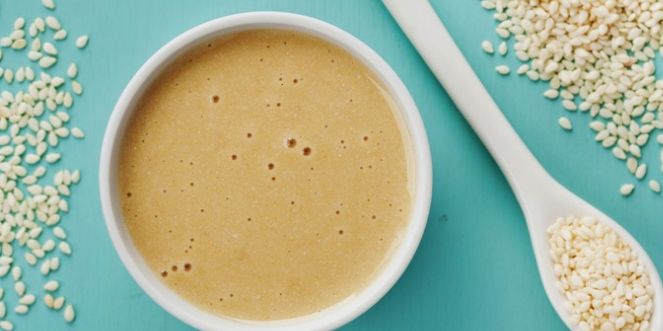
Tahini paste has quietly earned its place as one of the most versatile and nourishing ingredients in kitchens around the world. Made from finely ground sesame seeds, this smooth, nutty paste delivers rich flavor, impressive nutritional value, and remarkable culinary flexibility. From classic Middle Eastern dishes to modern plant-based recipes, tahini paste is celebrated for its depth, creaminess, and health benefits.
Whether you are exploring tahini paste for the first time or looking to deepen your understanding, this comprehensive guide explains what makes it special, how it is used, why it is so nutritious, and how to choose the best quality tahini for your needs. By the end, you will see why tahini paste deserves a permanent spot in your pantry.
What Is Tahini Paste?
Tahini paste is a thick, creamy spread produced by grinding sesame seeds into a smooth consistency. Depending on the processing method, the seeds may be hulled or unhulled, lightly roasted or raw. Each variation results in subtle differences in flavor, color, and nutritional profile.
Historically, tahini is deeply rooted in the cuisines of Lebanon, Israel, Turkey, Greece, and Ethiopia, though it has now become a global ingredient used in both savory and sweet dishes.
At its core, tahini contains just one ingredient: sesame seeds. This simplicity is part of its appeal, offering pure, concentrated nutrition and flavor without additives.
people also read this: Healthy Life Keto Bread: A Nutritionist’s Honest Review
The History and Cultural Significance of Tahini Paste
Tahini paste dates back thousands of years, with sesame seeds among the earliest oil-producing crops known to humanity. Ancient civilizations valued sesame for its long shelf life, energy density, and medicinal properties.
In Middle Eastern culinary traditions, tahini is more than an ingredient. It is a foundational element in iconic dishes like hummus and baba ghanoush, forming the creamy backbone that ties flavors together. Over centuries, tahini along trade routes, influencing Mediterranean, North African, and Asian cuisines.
Today, tahini symbolizes the intersection of tradition and innovation. Chefs and home cooks alike continue to reinvent its applications while honoring its heritage.
Nutritional Profile of Tahini Paste
Tahini is a nutritional powerhouse. A single tablespoon contains a blend of healthy fats, plant-based protein, vitamins, and minerals that support overall wellness.
Tahini is especially rich in monounsaturated and polyunsaturated fats, which contribute to heart health. It also provides notable amounts of calcium, magnesium, iron, zinc, phosphorus, and B vitamins.
Because tahini is derived from seeds rather than nuts, it offers a unique nutritional profile that complements other plant-based fats like olive oil and avocado.
Health Benefits of Tahini Paste
Regular consumption of tahini may support several aspects of health when incorporated into a balanced diet.
Supports Heart Health
The healthy fats found in tahini help maintain optimal cholesterol levels. Research suggests that diets rich in unsaturated fats may reduce the risk of cardiovascular disease.
Promotes Bone Strength
Tahini paste is naturally high in calcium and magnesium, two minerals essential for maintaining strong bones and teeth. For individuals who avoid dairy, tahini can be a valuable alternative calcium source.
Provides Plant-Based Protein
Each serving of tahini delivers a meaningful amount of protein, making it especially beneficial for vegetarians and vegans seeking diverse protein sources.
Contains Antioxidants
Sesame seeds contain antioxidant compounds such as sesamin and sesamol, which help combat oxidative stress and inflammation.
Supports Digestive Health
Tahini contains dietary fiber, which contributes to regular digestion and gut health.
Tahini Paste vs. Other Seed and Nut Butters
Tahini paste is often compared to peanut butter, almond butter, and sunflower seed butter. While all share creamy textures and healthy fats, tahini stands apart due to its savory profile and mineral density.
Unlike many nut butters that lean sweet, tahini has a slightly bitter, earthy taste that pairs exceptionally well with garlic, lemon, herbs, and spices. This makes it uniquely suited for savory dishes while still adaptable to desserts.
Culinary Uses of Tahini Paste
One of the greatest strengths of tahini paste is its versatility. It seamlessly adapts to a wide range of cuisines and cooking methods.
Savory Applications
Tahini paste forms the base of countless sauces and dressings. When whisked with lemon juice, garlic, and water, it becomes a creamy sauce perfect for roasted vegetables, grain bowls, or falafel.
It also enriches soups, stews, and marinades, adding body and depth without overpowering other ingredients.
Sweet Applications
In desserts, tahini paste offers a subtle nuttiness that pairs beautifully with chocolate, honey, maple syrup, and vanilla. It can be used in cookies, brownies, halva, and energy bites.
Baking
Tahini can replace part of the fat in baked goods, contributing moisture and richness. It works especially well in quick breads and muffins.
Spreads and Dips
Spread tahini on toast, swirl it into yogurt, or blend it into smoothies for added creaminess and nutrition.
How Tahini Paste Is Made
Traditional tahini production begins with selecting high-quality sesame seeds. The seeds may be hulled to remove the outer shell or left whole for a more robust flavor. They are then lightly roasted or kept raw before being ground into a smooth paste.
Stone grinding is considered one of the best methods, as it preserves the natural oils and prevents overheating, which can degrade nutrients.
Hulled vs. Unhulled Tahini Paste
Hulled tahini is made from sesame seeds with the outer hull removed. It has a lighter color, smoother texture, and milder flavor.
Unhulled tahini retains the hull, resulting in a darker color and slightly more bitter taste. It contains more fiber and minerals but may be less creamy.
Both types have their place depending on personal preference and intended use.
Raw vs. Roasted Tahini Paste
Raw tahini has a delicate, neutral flavor and lighter color. It is ideal for dressings and desserts where subtlety is desired.
Roasted tahini has a deeper, nuttier flavor that shines in savory dishes and sauces.
How to Choose High-Quality Tahini Paste
When selecting tahini paste, check the ingredient list. The best products contain only sesame seeds, without added oils, sugar, or preservatives.
Look for tahini that appears smooth and pourable rather than dry or overly thick. Separation of oil is normal and indicates minimal processing.
Packaging also matters. Glass jars are preferable to plastic, as they help preserve flavor and freshness.
How to Store Tahini Paste
Tahini should be stored in a cool, dark place before opening. Once opened, it can be kept at room temperature or refrigerated.
Stir well before each use to reincorporate separated oil. Properly stored tahini paste can last several months.
Tahini Paste in Special Diets
fits seamlessly into many dietary patterns.
It is naturally vegan, gluten-free, dairy-free, and keto-friendly. Its nutrient density makes it suitable for plant-based, Mediterranean, and whole-food diets.
Because tahini is calorie-dense, portion awareness is important, especially for individuals managing weight.
Common Mistakes When Using Tahini Paste
Some people find tahini paste bitter on its own and assume they dislike it. In reality, shines when balanced with acid, salt, and sometimes sweetness.
Another common mistake is failing to stir the paste thoroughly, resulting in inconsistent texture.
Sustainability
Sesame cultivation generally requires less water than many nut crops, making tahini paste a relatively sustainable option compared to almond-based products.
Choosing organic and fair-trade further supports environmentally responsible farming practices.
The Growing Popularity of Tahini Paste
In recent years, tahini has gained mainstream attention as consumers seek nutrient-dense, plant-based ingredients. Its adaptability and clean label appeal align with modern wellness trends.
Restaurants, bakeries, and food brands increasingly incorporate tahini paste into innovative offerings, from salad dressings to ice cream.
Expert Tips for Cooking with Tahini Paste
Always taste and adjust seasoning when using tahini paste, as its intensity varies by brand and type.
Warm water can help loosen thick tahini when making sauces.
Combining tahini with citrus juice brightens its flavor and reduces bitterness.
Frequently Asked Questions About Tahini Paste
Is tahini paste the same as sesame butter?
Yes, tahini paste is essentially sesame butter made from ground sesame seeds.
Does tahini need refrigeration?
Refrigeration is optional but can extend shelf life.
Can people with nut allergies consume tahini ?
Tahini is made from seeds, not nuts, but individuals with severe allergies should consult a healthcare professional.
Is tahini healthy?
When consumed in moderation, tahini provides healthy fats, protein, and essential minerals.
Conclusion:
Tahini paste is more than a traditional ingredient. It is a nutrient-rich, versatile staple that enhances flavor, texture, and nutritional value across countless dishes. From savory sauces to sweet treats, tahini adapts effortlessly to diverse culinary styles.
Its impressive health benefits, long history, and growing popularity make tahini a smart choice for anyone seeking wholesome, flavorful ingredients. By choosing high-quality tahini and using it thoughtfully, you can elevate everyday meals while nourishing your body.
If you are looking for one pantry item that combines tradition, nutrition, and versatility, tahini is an exceptional place to start.
For More: britsphere