



Language on the internet moves fast. One day, everyone is using a phrase you have never heard before, and the next day it is everywhere. That is exactly how Silly Wankok entered online conversations. At first glance, it sounds strange, playful, and slightly absurd. That is part of the appeal. People see it, laugh, and wonder what it actually means.
So, what is Silly Wankok? Is it slang, a meme, a joke, or something deeper? More importantly, why has it caught on in digital culture?
This article breaks down the meaning, origins, and real-world use of Silly Wankok in clear, human language. No stiff definitions. No robotic explanations. Just a natural look at how this phrase works, why people enjoy it, and how it fits into modern internet humor.
If you have seen Silly Wankok on social media, in comments, or even in casual chat and felt confused, you are in the right place.
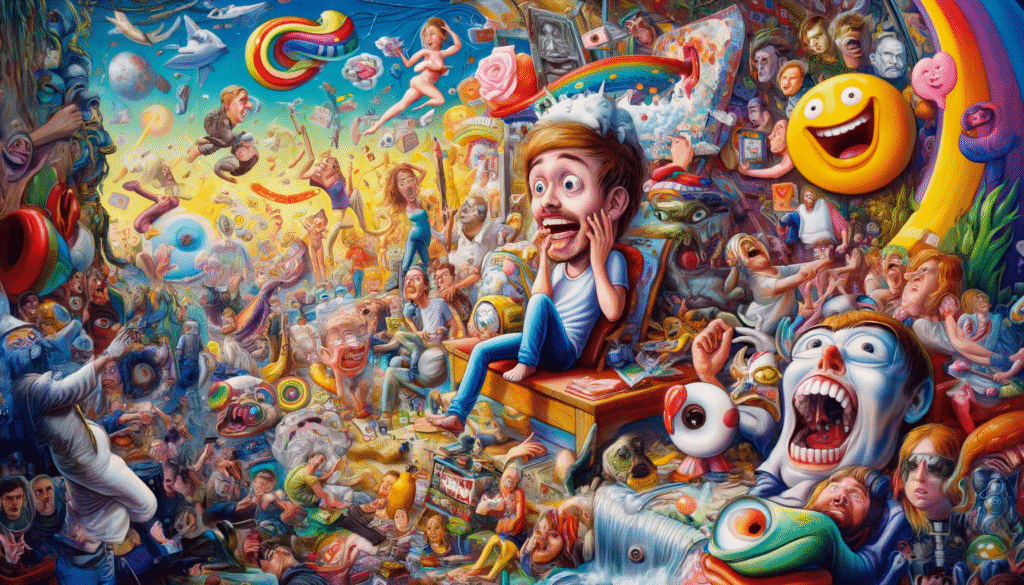
What Does Silly Wankok Mean?
At its core, Silly Wankok is a playful, nonsense-style expression. It does not have a strict dictionary definition, and that is intentional. The phrase is designed to sound humorous, exaggerated, and slightly ridiculous. People use it to describe behavior, moments, or comments that feel goofy, unserious, or over-the-top in a harmless way.
In simple terms, Silly Wankok means:
- Something amusingly foolish
- A lighthearted insult without real malice
- A way to call out goofy behavior with humor
- A joke phrase meant to spark laughter
Unlike traditional slang with fixed meanings, Silly Wankok thrives on flexibility. Its tone depends on context, delivery, and audience. That adaptability is a big reason it spreads so easily.\
People can also read this: Annie Agar: Inside Her Rise as Sports Media’s Fresh Voice
Why the Name “Silly Wankok” Works So Well
The phrase Silly Wankok sounds funny even before you know what it means. That is not an accident. Internet slang often relies on phonetics, rhythm, and absurdity.
Several elements make Silly Wankok memorable:
- The word “silly” signals humor and harmless fun
- The unusual sound of “Wankok” adds surprise
- The combination feels exaggerated and cartoon-like
- It avoids sounding formal or serious
People enjoy words that feel playful on the tongue. Silly Wankok fits perfectly into meme culture, where sound and feeling often matter more than literal meaning.
The Origins of Silly Wankok
One of the most interesting things about Silly Wankok is that it does not have a clear, traceable origin. It did not come from a famous book, a movie quote, or a known public figure. Instead, it appears to be a product of organic internet creativity.
Most signs point to:
- Casual online conversations
- Meme captions and joke comments
- Gaming chats or group humor
- Social media platforms where nonsense words thrive
Like many viral phrases, Silly Wankok likely started as an inside joke. Someone said it, others found it funny, and it spread. Over time, it escaped its original context and became a standalone expression.
This kind of evolution is common in digital slang, internet humor, and viral language trends.
How Silly Wankok Is Used in Everyday Language
Silly Wankok is rarely used in serious discussions. It lives comfortably in informal spaces where humor and personality matter.
Common usage scenarios include:
- Playful teasing between friends
- Commenting on a funny mistake
- Reacting to a goofy video or meme
- Lighthearted self-criticism
- Internet banter and chat humor
Here are a few natural examples:
- “I forgot my own password again. I feel like a Silly Wankok.”
- “That dance move was pure Silly Wankok energy.”
- “Stop being a Silly Wankok and read the instructions.”
Notice how the phrase replaces harsher words. It softens criticism and keeps the mood friendly.
Is Silly Wankok Offensive?
This is an important question. In most contexts, Silly Wankok is not offensive. It is generally used in a humorous, non-serious way. However, like any slang term, tone and audience matter.
It is usually safe when:
- Used among friends
- Said jokingly, not aggressively
- Applied to actions, not personal traits
It may feel inappropriate if:
- Used toward strangers in a hostile tone
- Said in professional or formal settings
- Used repeatedly to mock someone
Intent matters more than the word itself. Silly Wankok is meant to amuse, not insult.
Why Silly Wankok Became Popular Online
The rise of Silly Wankok fits into broader internet trends. People are drawn to humor that feels spontaneous, unserious, and slightly chaotic.
Key reasons for its popularity include:
- Meme culture thrives on absurd phrases
- Short, funny expressions spread quickly
- People enjoy inside-joke language
- It feels fresh and unscripted
- It encourages playful communication
In addition, social media platforms reward originality. A phrase like Silly Wankok stands out in a sea of repeated jokes and recycled slang.
Silly Wankok and Internet Meme Culture
Meme language is rarely logical. It is emotional, visual, and social. Silly Wankok fits perfectly into this ecosystem.
It aligns with:
- Nonsense humor
- Exaggerated reactions
- Irony and satire
- Casual digital communication
- Relatable online experiences
Memes often use words that feel “wrong” in a funny way. That slight awkwardness makes them memorable. Silly Wankok carries that same energy.
Differences Between Wankok and Traditional Slang
Traditional slang often emerges from specific communities, regions, or subcultures. Silly Wankok is different.
Here is a quick comparison: Silly Wankok
| Aspect | Traditional Slang | Silly Wankok |
|---|---|---|
| Origin | Cultural or regional | Internet-born |
| Meaning | Defined | Flexible |
| Tone | Often serious | Playful |
| Lifespan | Long-term | Trend-based |
| Usage | Spoken language | Digital-first |
This does not make Silly Wankok less valuable. It simply reflects how language evolves online.
Can Silly Wankok Be Used in Writing?
Yes, but carefully. Silly Wankok works best in:
- Casual blog posts
- Social media captions
- Personal storytelling
- Creative writing
- Humor-based content
It does not belong in:
- Academic papers
- Business emails
- Legal documents
- Formal reports
Writers use phrases like Silly Wankok to sound relatable and human. When used sparingly, it adds personality without confusing the reader.
Psychological Appeal of Silly Humor
There is a reason silly words stick. Research into humor and language shows that playful expressions:
- Reduce stress
- Create social bonds
- Make conversations feel relaxed
- Increase memorability
Silly Wankok taps into this psychological comfort. It signals that the conversation is safe, informal, and friendly.
How to Use Silly Wankok Naturally
If you want to use Silly Wankok without sounding forced, keep these tips in mind:
- Use it sparingly
- Match the tone of the conversation
- Avoid overexplaining it
- Let context do the work
Good usage feels effortless. Bad usage feels like trying too hard.
Common Misunderstandings About Silly Wankok
Some people assume Silly Wankok has a hidden meaning or specific origin. In reality:
- It is not tied to a celebrity
- It is not a coded message
- It is not a brand name
- It is not a formal insult
Its charm lies in its simplicity and ambiguity.
Is Silly Wankok Here to Stay?
Internet slang is unpredictable. Some phrases disappear quickly, while others evolve and stick around.
Silly Wankok has a few qualities that help longevity:
- Flexible usage
- Non-offensive tone
- Humor-based appeal
- Easy adaptability
Even if the phrase fades, its style of humor will continue. New words will replace it, but the playful spirit remains.
SEO Perspective: Why People Search for Silly Wankok
From a search intent standpoint, people look up Silly Wankok because:
- They saw it online and felt confused
- They want to understand the joke
- They are curious about slang meanings
- They want cultural context
This makes it a strong topic for explanatory content, language blogs, and trend analysis.
Related Terms and Concepts Connected to Silly Wankok
To fully understand Silly Wankok, it helps to see the bigger picture. Related ideas include:
- Internet slang
- Viral phrases
- Meme vocabulary
- Online humor
- Digital communication
- Casual language
- Playful insults
- Nonsense words
- Social media trends
- Youth culture
- Chat language
- Pop culture expressions
- Informal speech
- Creative wordplay
- Modern linguistics
These terms show how Silly Wankok fits into a wider ecosystem of evolving language.
Final Thoughts on Silly Wankok
Silly Wankok is a reminder that language does not always need to be serious. Sometimes, words exist simply to make people smile. That is their entire job.
This phrase captures the spirit of modern internet humor: flexible, playful, and community-driven. It does not demand deep analysis, yet it reflects how humans connect through laughter and shared absurdity.
For More: britsphere