

Pain has a strange way of creeping into everyday life. It might start as a mild ache after a long day at work, a stiff neck after sleeping wrong, or a nagging pain in your knee after climbing stairs. Most people ignore these early signals and assume the discomfort will disappear on its own.
Sometimes it does. But many times it doesn’t.
That small pain can slowly grow into a condition that affects how you move, work, exercise, and even sleep. This is where visiting a physical therapy clinic can make a huge difference.
Many people think physical therapy is only for athletes or people recovering from surgery. In reality, a professional physical therapy clinic helps people of all ages recover from injuries, improve mobility, manage chronic pain, and prevent future problems.
Knowing when to seek help is important. If your body is sending certain warning signals, it may be time to consult a physical therapy clinic before the problem becomes worse.
Below are seven important signs that indicate you should consider visiting a physical therapy clinic today.
Why Early Physical Therapy Matters
Early treatment can prevent minor injuries from becoming long-term problems. When pain or stiffness appears, the body often changes the way it moves to avoid discomfort. These small adjustments may seem harmless, but over time they can create additional stress on muscles and joints.
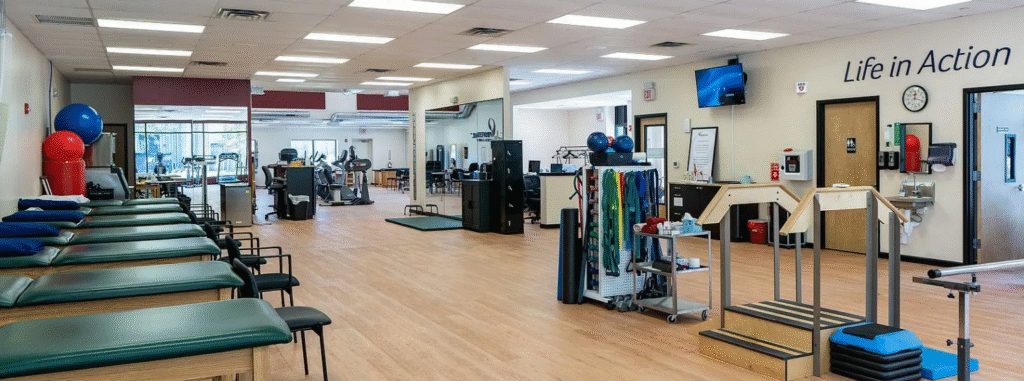
A professional physical therapy clinic focuses on identifying the root cause of pain through movement assessment, posture analysis, and functional testing. Once the cause is identified, therapists create personalized treatment plans to restore proper movement patterns.
Benefits of early physical therapy include
• Faster injury recovery
• Improved flexibility and mobility
• Reduced inflammation and pain
• Stronger muscles and joints
• Better posture and balance
• Prevention of future injuries
Many people who visit a physical therapy clinic early are able to avoid surgery and long-term medication.
people also read this: Top Wheon.com Health News Updates You Need Today
1. Persistent Pain That Won’t Go Away
Pain that lasts longer than a few days should never be ignored. Persistent pain in the back, neck, shoulders, knees, or hips often indicates an underlying musculoskeletal issue.
A qualified physical therapy clinic can diagnose the root cause of pain and design treatment plans that address the actual problem rather than just the symptoms.
Common conditions treated include muscle strain, ligament injuries, joint dysfunction, nerve irritation, and inflammation.
Type of Pain | Possible Cause | Therapy Approach
Lower Back Pain | Poor posture or disc strain | Core strengthening
Shoulder Pain | Rotator cuff injury | Mobility and strengthening
Knee Pain | Overuse injury | Stability training
Neck Pain | Tech neck or tension | Stretching and posture correction
Instead of relying on pain medication, a physical therapy clinic focuses on long-term healing.
2. Limited Mobility or Joint Stiffness
If you find it difficult to bend, reach, or turn your body the way you used to, your joints may be losing flexibility.
Reduced mobility is a common reason people visit a physical therapy clinic. Therapists use techniques such as stretching exercises, joint mobilization, and movement training to restore range of motion.
Limited mobility can be caused by
• Sedentary lifestyle
• Sports injuries
• Muscle tightness
• Arthritis
• Scar tissue buildup
Early treatment helps restore natural movement and prevents long-term stiffness.
3. Recovery After Surgery
Post-surgery rehabilitation is one of the most common reasons patients visit a physical therapy clinic.
After procedures like knee replacement, hip surgery, spinal surgery, or ligament reconstruction, the body requires guided therapy to regain strength and mobility.
Without proper rehabilitation, patients may experience muscle weakness, stiffness, and poor movement patterns.
Physical therapy after surgery helps
1 Restore joint mobility
2 Reduce swelling and pain
3 Strengthen muscles
4 Improve walking and balance
5 Prevent reinjury
A professional physical therapy clinic carefully monitors progress to ensure safe recovery.
4. Frequent Sports Injuries
Athletes and active individuals often deal with recurring injuries such as tendonitis, muscle strains, ligament sprains, and overuse injuries.
A sports-focused physical therapy clinic evaluates movement patterns, biomechanics, and muscle imbalances that may be causing the injury.
Treatment may include
• Strength training
• Functional movement correction
• Balance and coordination exercises
• Sports rehabilitation programs
• Injury prevention strategies
This helps athletes recover faster and perform better.
5. Poor Posture From Desk Jobs
Long hours of sitting at a desk can lead to serious posture issues. Forward head posture, rounded shoulders, and tight hip muscles are common problems in office workers.
A specialized physical therapy clinic can help correct posture through targeted exercises and ergonomic guidance.
Signs of posture problems include
• Neck tension
• Shoulder stiffness
• Lower back pain
• Headaches
• Fatigue after sitting
Therapists design posture correction programs that strengthen weak muscles and improve spinal alignment.
6. Balance Problems or Frequent Falls
Balance issues can develop due to aging, muscle weakness, inner ear disorders, or nerve problems.
A professional physical therapy clinic offers balance training programs that improve stability and coordination.
Balance therapy may include
• Gait training
• Lower body strengthening
• Stability exercises
• Vestibular therapy
• Fall prevention training
These treatments help individuals regain confidence in daily activities.
7. Pain That Affects Daily Activities
When pain begins interfering with daily routines like walking, lifting, sleeping, or exercising, it’s a clear sign that professional help is needed.
A trusted physical therapy clinic focuses on restoring functional movement so patients can return to their normal lifestyle.
Treatment programs often include therapeutic exercises, manual therapy, flexibility training, and pain management techniques.
The goal is not only to reduce pain but also to improve overall physical function.
What Happens During Your First Physical Therapy Visit
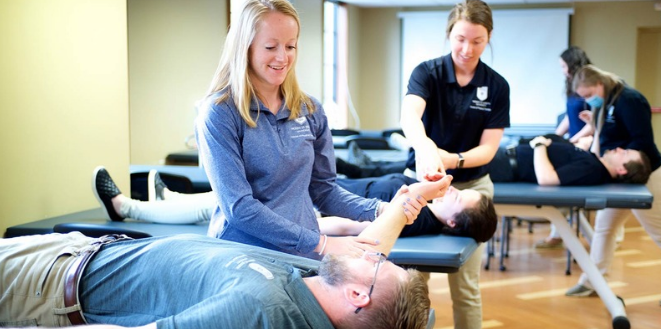
Your first visit to a physical therapy clinic usually begins with a detailed evaluation.
Therapists assess your posture, flexibility, strength, mobility, and movement patterns. Based on this assessment, they develop a personalized treatment plan tailored to your needs.
Treatment may include stretching exercises, strengthening routines, manual therapy, and rehabilitation techniques designed to restore healthy movement.
Patients are also given home exercise programs to accelerate recovery.
Benefits of Visiting a Physical Therapy Clinic
People who start therapy early often experience significant improvements in mobility and pain levels.
Key benefits include
• Drug-free pain relief
• Faster injury recovery
• Improved flexibility and mobility
• Reduced risk of future injuries
• Better posture and body mechanics
• Increased strength and stability
• Enhanced quality of life
A good physical therapy clinic focuses on long-term health rather than temporary symptom relief.
Conclusion
Pain, stiffness, and mobility issues are signals from your body that something needs attention. Ignoring these signs can allow small problems to grow into serious injuries.
Visiting a physical therapy clinic early can help identify the root cause of discomfort and restore healthy movement before long-term damage occurs.
Whether you’re dealing with persistent pain, recovering from surgery, struggling with posture problems, or experiencing limited mobility, a professional physical therapy clinic can guide you toward recovery.
Listening to your body and seeking help at the right time can protect your health, improve mobility, and help you return to the activities you enjoy.
If you found these signs helpful, consider sharing this information with others who may also benefit from visiting a physical therapy clinic. Early care often leads to faster recovery and a healthier, pain-free life.
Discover our latest post here : britsphere