



Choosing the right heating and cooling system is one of the most important decisions a property owner can make. Yet many systems are still sized based on rough estimates, outdated rules of thumb, or guesswork. This approach often leads to uncomfortable indoor conditions, higher energy bills, premature equipment failure, and ongoing maintenance headaches. A professional hvac load calculation service eliminates these problems by delivering precise, data-driven system sizing tailored to your building’s unique characteristics.
An HVAC load calculation determines the exact amount of heating and cooling your home or commercial space requires to maintain consistent comfort throughout the year. It accounts for insulation levels, building orientation, window performance, occupancy patterns, climate conditions, and dozens of other variables. When performed by qualified professionals using industry-recognized methodologies, load calculations become the backbone of every successful HVAC installation or upgrade.
This article explores what an HVAC load calculation service involves, why it matters, how it works, and how it delivers measurable benefits in comfort, efficiency, and long-term savings.
people aslo read this : Connections Hint Forbes: Expert Strategies That Actually Work
Understanding HVAC Load Calculations and Why They Matter
An HVAC load calculation is a detailed engineering analysis that quantifies how much heat a building gains and loses. Cooling load refers to the amount of heat that must be removed during warm conditions, while heating load refers to the heat required to maintain comfort during cold weather. These calculations are not estimates. They are precise mathematical models based on physical principles and building science.
The most widely accepted residential methodology in North America is ACCA Manual J, developed by Air Conditioning Contractors of America. This standard defines how professionals evaluate building envelopes, internal heat sources, air infiltration, and local climate data to determine accurate loads.
Without a proper HVAC load calculation service, many systems are oversized. Industry research consistently shows that oversized systems are one of the most common causes of inefficient operation. An oversized air conditioner cycles on and off frequently, reducing humidity control and increasing wear on components. An undersized system, on the other hand, runs continuously and still fails to meet comfort demands.
Accurate load calculations solve both problems by matching system capacity precisely to actual needs.
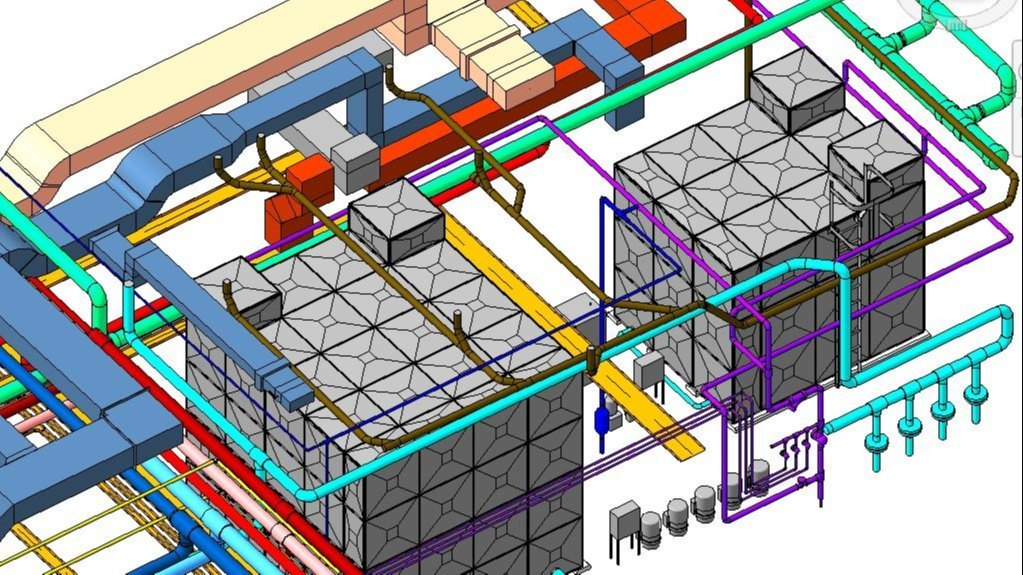
How HVAC Load Calculation Services Work
A professional HVAC load calculation service begins with a comprehensive assessment of the property. Technicians gather information about building dimensions, construction materials, insulation levels, window types, shading, roof design, and air leakage characteristics. They also consider internal heat gains from occupants, lighting, appliances, and electronics.
Advanced software then processes this data using Manual J or equivalent commercial methodologies. The result is a room-by-room and whole-building load profile that specifies required heating and cooling capacity.
Unlike simple square-footage rules, this process recognizes that two buildings of identical size can have dramatically different load requirements. A well-insulated home with high-performance windows and tight construction may require significantly less capacity than an older structure with air leaks and poor insulation.
The output of an HVAC load calculation service guides equipment selection, duct design, airflow balancing, and zoning strategies. It ensures every component works together as a cohesive system.
The Role of Climate and Regional Conditions
Climate is one of the most influential factors in HVAC load calculations. Temperature extremes, humidity levels, solar radiation, and seasonal variations all affect how much heating and cooling a building needs.
For example, buildings in hot and humid climates require systems that prioritize moisture removal in addition to temperature control. In colder regions, heating loads dominate, and system efficiency at low outdoor temperatures becomes critical.
A professional hvac load calculation service incorporates local weather data and design temperatures specific to your region. This ensures systems are optimized for real-world conditions rather than generic averages.
Benefits of Using a Professional HVAC Load Calculation Service
One of the most immediate benefits is improved comfort. Properly sized systems maintain consistent temperatures, eliminate hot and cold spots, and manage humidity effectively.
Energy efficiency is another major advantage. The U.S. Department of Energy estimates that heating and cooling account for nearly half of a typical home’s energy use. When systems are sized correctly, they operate within optimal efficiency ranges, reducing energy consumption and lowering utility bills.
Equipment longevity also improves. Systems that cycle excessively or run continuously experience more stress, leading to breakdowns and shortened lifespan. Accurate sizing reduces mechanical strain and extends service life.
A professional hvac load calculation service also supports compliance with building codes, energy efficiency programs, and green building certifications. Many jurisdictions and incentive programs require documented load calculations before approving installations.
HVAC Load Calculations and Indoor Air Quality
Indoor air quality is closely tied to system sizing. Oversized air conditioners cool air quickly but do not run long enough to remove sufficient moisture. This can lead to high indoor humidity, which promotes mold growth, dust mites, and other allergens.
Proper load calculations ensure that systems run long enough to provide effective dehumidification and air filtration. This results in healthier indoor environments, particularly for occupants with asthma or allergies.
Residential vs Commercial HVAC Load Calculation Services
Residential load calculations focus on single-family homes, apartments, and small multi-unit buildings. They emphasize room-by-room analysis to ensure consistent comfort throughout the living space.
Commercial HVAC load calculation services address more complex structures such as offices, retail spaces, warehouses, and healthcare facilities. These projects consider additional factors such as occupancy schedules, lighting density, equipment loads, ventilation requirements, and zoning strategies.
While methodologies differ in scale and complexity, the underlying principles remain the same. Accurate data collection and professional analysis are essential in both cases.
Manual J, Manual S, and Manual D: A Complete System Approach
A comprehensive hvac load calculation service often extends beyond Manual J. Manual S governs equipment selection, ensuring that chosen systems match calculated loads. Manual D addresses duct design, specifying proper sizing and layout to deliver correct airflow to each room.
Together, these standards create a holistic approach to HVAC system design. Load calculations define what is needed. Equipment selection determines what will provide it. Duct design ensures that capacity reaches its destination.
Skipping any step compromises overall performance.
The Cost of Skipping HVAC Load Calculations
Some property owners hesitate to invest in a professional hvac load calculation service because of upfront cost. However, the long-term financial impact of skipping this step is far greater.
Oversized systems cost more to purchase, install, and operate. They consume more energy and often require more frequent repairs. Undersized systems lead to comfort complaints and may need premature replacement.
A load calculation typically represents a small fraction of total project cost while protecting a much larger investment.
How to Choose the Right HVAC Load Calculation Service Provider
Experience and credentials matter. Look for providers with formal training in building science and familiarity with Manual J or commercial load calculation methodologies. Reputable professionals use calibrated tools, up-to-date software, and documented procedures.
Transparency is also important. A quality hvac load calculation service explains assumptions, inputs, and results in clear language. They provide written reports that can be reviewed and referenced during system design.
Avoid contractors who rely solely on square-footage rules or refuse to perform load calculations. This is often a sign of outdated practices.
Real-World Example of Load Calculation Impact
Consider a 2,500-square-foot home undergoing HVAC replacement. A previous contractor recommended a five-ton air conditioner based on size alone. A professional hvac load calculation service determined that the actual cooling load was only three and a half tons due to upgraded insulation, energy-efficient windows, and shading.
Installing the smaller system reduced upfront equipment cost, improved humidity control, and lowered monthly energy bills by approximately twenty percent. Comfort complaints disappeared, and system runtime became more consistent.
This type of outcome is common when load calculations replace guesswork.
HVAC Load Calculations and Energy Efficiency Upgrades
Load calculations become even more valuable when combined with building improvements. Air sealing, insulation upgrades, window replacements, and shading strategies all reduce heating and cooling loads.
A professional hvac load calculation service can quantify how much these improvements lower system requirements. This allows property owners to downsize equipment appropriately, capturing additional savings.
In some cases, investing in envelope improvements can enable the use of smaller, more efficient systems such as heat pumps, further reducing operating costs.
The Role of Technology in Modern Load Calculations
Advances in software and data collection tools have significantly improved accuracy. Digital floor plans, infrared imaging, and blower door testing provide precise inputs for load calculations.
However, technology does not replace expertise. Interpreting data correctly and applying sound engineering judgment remain essential. A professional hvac load calculation service combines advanced tools with human experience.
Common Myths About HVAC Load Calculations
One common myth is that bigger systems are always better. In reality, bigger often means less efficient and less comfortable.
Another misconception is that load calculations are only necessary for new construction. Existing homes and buildings benefit just as much, especially when replacing aging equipment.
Some believe load calculations take too long. In practice, a thorough residential analysis can often be completed within a few hours, while commercial projects vary by complexity.
HVAC Load Calculations and Heat Pump Systems
Heat pumps are increasingly popular due to their efficiency and ability to provide both heating and cooling. Proper sizing is especially critical for these systems, as performance varies with outdoor temperature.
A professional hvac load calculation service ensures that heat pump capacity aligns with both heating and cooling demands. This prevents reliance on backup heating and maximizes energy savings.
Supporting Compliance and Incentive Programs
Many utility rebate programs and energy efficiency incentives require documented load calculations. Building inspectors may also request proof of proper sizing.
Using a professional hvac load calculation service simplifies compliance and increases the likelihood of qualifying for incentives.
The Long-Term Value of Accurate Load Calculations
Accurate load calculations provide value for the entire lifespan of an HVAC system. They influence comfort, efficiency, maintenance costs, and resale value.
Homes with properly designed HVAC systems are more attractive to buyers and inspectors. Documentation of professional load calculations demonstrates that the system was designed according to best practices.
Conclusion:
An hvac load calculation service is not an optional add-on. It is the foundation of every high-performing heating and cooling system. By replacing guesswork with data-driven analysis, load calculations ensure that systems are sized correctly, operate efficiently, and deliver consistent comfort.
Whether you are building a new home, replacing aging equipment, or upgrading a commercial facility, investing in a professional hvac load calculation service protects your budget, improves indoor comfort, and supports long-term reliability.
In an era of rising energy costs and increasing demand for efficiency, accurate load calculations are no longer a luxury. They are a necessity.
For more updates: Brit Sphere