


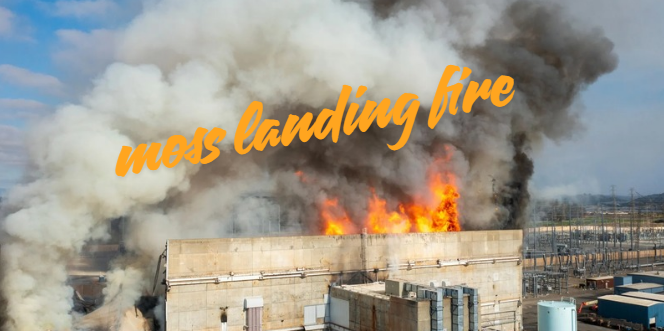
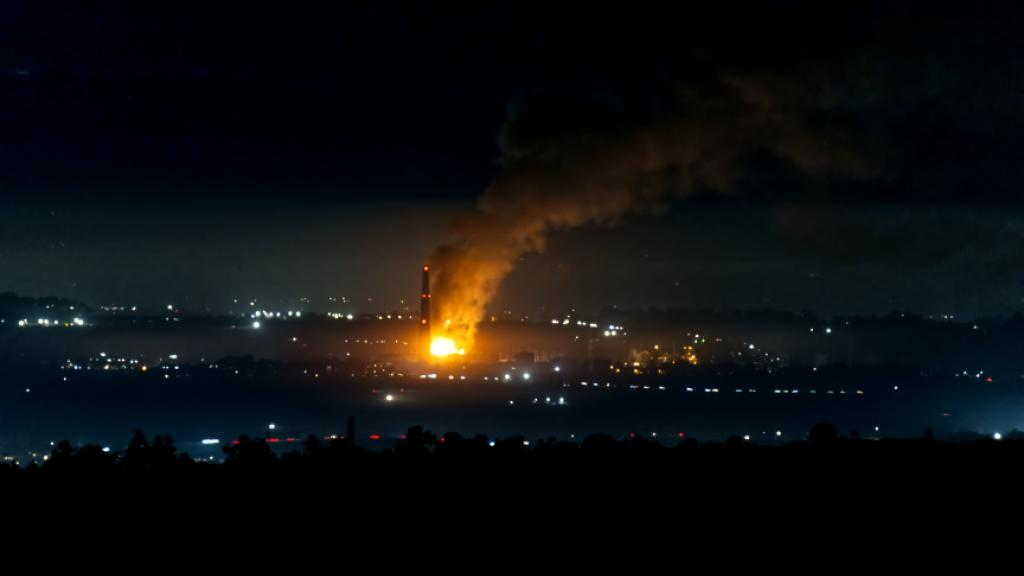
The Moss Landing Fire didn’t just light up the night sky along California’s central coast. It ignited questions, fears, and debates that continue to ripple through local communities and the wider energy industry. For residents, it was a frightening emergency. For environmental experts, it raised red flags. And for policymakers, it became yet another reminder that modern infrastructure, while powerful, comes with real risks.
In this article, we’ll break down the Fire in plain English. What actually happened? What are the likely causes? And perhaps most importantly, what impact did it have on public safety, the environment, and the future of large-scale energy storage in California? Let’s walk through it step by step.
What Is Moss Landing and Why Is It Important?
Moss Landing is a small coastal community in Monterey County, California. At first glance, it feels quiet and unassuming, known for fishing, birdwatching, and sweeping ocean views. However, it also plays an outsized role in the state’s energy system.
The Moss Landing Power Plant site has long been a critical energy hub. In recent years, it became home to one of the world’s largest lithium-ion battery energy storage facilities. These massive battery systems are designed to store electricity and release it when demand spikes, helping stabilize the power grid and support renewable energy like solar and wind.
That importance is exactly why the Moss Landing Fire drew so much attention.
people also read this: Connections Hint Forbes: Expert Strategies That Actually Work
Moss Landing Fire: What Happened?
The Moss Landing Fire broke out at the battery energy storage facility located within the Moss Landing power complex. Emergency responders were alerted after smoke and flames were reported inside one of the battery storage buildings.
Fire crews quickly realized this was not a typical industrial fire. Lithium-ion battery fires behave differently from conventional fires. They burn hotter, can reignite unexpectedly, and are difficult to extinguish with standard firefighting methods.
Key moments during the incident included:
- Rapid smoke buildup inside the facility
- Flames spreading within battery units
- Evacuations or shelter-in-place advisories for nearby areas
- Road closures to allow emergency access
- Continuous air quality monitoring
The Moss Landing Fire burned for hours, and in some accounts, flare-ups continued even after the main blaze was considered under control. Firefighters focused on containment rather than direct suppression in certain areas, a common strategy with battery-related fires.
Immediate Emergency Response
Local fire departments, hazardous materials teams, and county officials coordinated closely during the Moss Landing Fire. Their priorities were clear:
- Protect human life
- Prevent the fire from spreading
- Monitor air quality and potential toxic exposure
Because battery fires can release gases such as hydrogen fluoride and other chemical byproducts, air monitoring became a critical part of the response. Authorities worked to determine whether residents were at risk from smoke inhalation or chemical exposure.
Despite the scale of the incident, reports indicated that no fatalities occurred, which many credit to swift emergency action and existing safety protocols.
Possible Causes of the Moss Landing Fire
Investigations into the Moss Landing Fire focused on several potential causes. While final determinations can take time, experts often look at recurring risk factors in lithium-ion battery systems.
Thermal Runaway
One of the most commonly cited causes is thermal runaway. This occurs when a battery cell overheats, triggering a chain reaction that spreads rapidly to neighboring cells. Once thermal runaway begins, it can be extremely difficult to stop.
Battery System Malfunction
Large-scale energy storage facilities rely on complex battery management systems. A software failure, sensor malfunction, or cooling system issue can allow temperatures to rise unnoticed until it’s too late.
Electrical Faults
Short circuits, damaged wiring, or faulty connections can spark intense heat inside battery modules. Even a small defect can escalate quickly in a high-density energy environment.
Design and Density Challenges
The sheer scale of the Moss Landing battery installation may have contributed to the severity of the fire. High energy density means more power in less space, but it also means higher risk if something goes wrong.
While investigators continue to analyze the Moss Landing Fire, these factors are widely discussed across the energy storage industry.
Environmental Impact of the Moss Landing Fire
One of the biggest concerns surrounding the Moss Landing Fire was its environmental impact. The facility sits near sensitive ecosystems, including wetlands and coastal habitats.
Air Quality Concerns
Smoke from lithium-ion battery fires can contain fine particulate matter and toxic gases. Air quality agencies monitored levels closely to assess risks to nearby communities, wildlife, and agricultural areas.
Water and Soil Risks
Another concern was runoff from firefighting efforts. Water used to cool battery systems can become contaminated with heavy metals and chemicals. Preventing that runoff from entering nearby waterways was a major priority.
Long-Term Ecological Effects
Environmental scientists continue to study whether the Moss Landing Fire caused lasting damage to soil, marine life, or bird populations. Even when immediate impacts seem limited, long-term monitoring is often necessary.
Impact on the Local Community
For residents of Moss Landing and surrounding towns, the fire was deeply unsettling. Many people reported anxiety, disrupted routines, and lingering health concerns.
Community reactions included:
- Worry about toxic exposure
- Temporary displacement or evacuation stress
- Questions about property values
- Loss of trust in industrial safety assurances
Some residents voiced concerns about living near large energy storage facilities, while others emphasized the importance of clean energy despite the risks.
Economic and Infrastructure Implications
The Moss Landing Fire also had economic consequences. The battery facility represented a significant investment in California’s energy infrastructure.
Operational Downtime
Portions of the energy storage system were taken offline for inspection and repairs. This reduced grid flexibility during peak demand periods, particularly during heat waves when stored energy is crucial.
Repair and Investigation Costs
Damage assessment, cleanup, and safety upgrades come with high costs. Insurance claims, regulatory reviews, and potential redesigns added to the financial impact.
Ripple Effects Across the Energy Sector
Energy companies and regulators statewide took notice. The Moss Landing Fire became a case study cited in discussions about battery safety standards and permitting processes.
What This Means for Energy Storage Safety
The Moss Landing Fire didn’t happen in isolation. It joined a growing list of high-profile battery fire incidents worldwide. As a result, it accelerated conversations about safety improvements.
Enhanced Safety Measures Being Discussed
- Improved battery cooling systems
- Greater spacing between battery units
- Advanced fire detection sensors
- Stronger building ventilation
- Revised emergency response protocols
In addition, first responders are receiving more specialized training to deal with lithium-ion battery fires.
Regulatory and Policy Responses
Following the Moss Landing Fire, regulatory agencies began reviewing existing safety regulations. Policymakers faced a delicate balance: supporting renewable energy goals while ensuring public safety.
Some proposed measures included stricter permitting requirements, more frequent inspections, and increased transparency with local communities. These discussions are ongoing, but the fire clearly influenced their urgency.
Public Perception and Media Coverage
Media coverage of the Moss Landing Fire varied widely. Some outlets framed it as a warning sign against large-scale battery storage, while others emphasized that incidents are rare compared to the overall benefits of renewable energy infrastructure.
Public perception often depends on trust. When people feel informed and protected, they are more likely to support energy projects. When communication breaks down, fear fills the gap.
Lessons Learned from the Moss Landing Fire
Every major incident brings lessons, and the Moss Landing Fire is no exception.
Key takeaways include:
- Early detection systems are critical
- Emergency planning must include worst-case scenarios
- Community communication should be clear and proactive
- Environmental monitoring should continue long after flames are out
These lessons are now shaping how future battery storage projects are designed and approved.
Is Battery Energy Storage Still Safe?
This is the question many people ask after hearing about the Moss Landing Fire. The honest answer is nuanced.
Battery energy storage remains a key part of reducing greenhouse gas emissions and supporting renewable energy. However, like any powerful technology, it requires constant improvement, oversight, and respect for its risks.
Statistically, large-scale battery fires are rare. But when they occur, they demand serious attention.
The Broader Impact on California’s Energy Goals
California has ambitious climate targets, including a transition to clean energy and reduced reliance on fossil fuels. Facilities like Moss Landing play a crucial role in achieving those goals.
The Moss Landing Fire did not derail these plans, but it did prompt reassessment. Safety is no longer just a technical issue; it’s a public trust issue.
How Communities Can Stay Informed and Prepared
Residents living near energy infrastructure can take practical steps to stay informed:
- Attend local council or planning meetings
- Sign up for emergency alert systems
- Review evacuation or shelter plans
- Ask operators about safety measures
Informed communities are empowered communities.
Looking Ahead: The Future After the Moss Landing Fire
The story of the Moss Landing Fire is still unfolding. Investigations, policy updates, and infrastructure changes will continue to shape its legacy.
What’s clear is this: the fire became a turning point. It forced energy companies, regulators, and the public to confront the realities of modern energy storage, not just its promise.
Conclusion:
The Moss Landing Fire was more than an industrial accident. It was a moment of reckoning for clean energy infrastructure, community safety, and environmental responsibility.
By understanding what happened, examining the causes, and learning from the impact, we move closer to safer and more resilient energy systems. The conversation doesn’t end when the smoke clears. In many ways, that’s when it truly begins.
For more updates visit: Brit Sphere