

In the rapidly evolving world of digital design, creators constantly search for tools that bring imagination closer to realism. This is where bridging the gap between reality GFX maker technologies play a crucial role. These graphic design tools and techniques enable artists, marketers, and content creators to produce visuals that feel authentic, immersive, and visually compelling.
The concept of bridging the gap between reality GFX maker revolves around using advanced graphic tools, rendering technologies, and creative workflows to transform abstract ideas into visuals that appear real and emotionally engaging. From gaming visuals and social media graphics to marketing campaigns and cinematic art, modern GFX makers have revolutionized how digital visuals are produced.
As digital media becomes more competitive, audiences expect high-quality, realistic visuals that capture attention instantly. Designers who master the art of bridging the gap between reality GFX maker techniques gain a significant advantage in industries like advertising, branding, gaming, and content creation.
This article explores how these tools work, why they matter, and how designers can effectively use them to produce powerful, realistic graphics.
Understanding the Concept of Bridging the Gap Between Reality GFX Maker
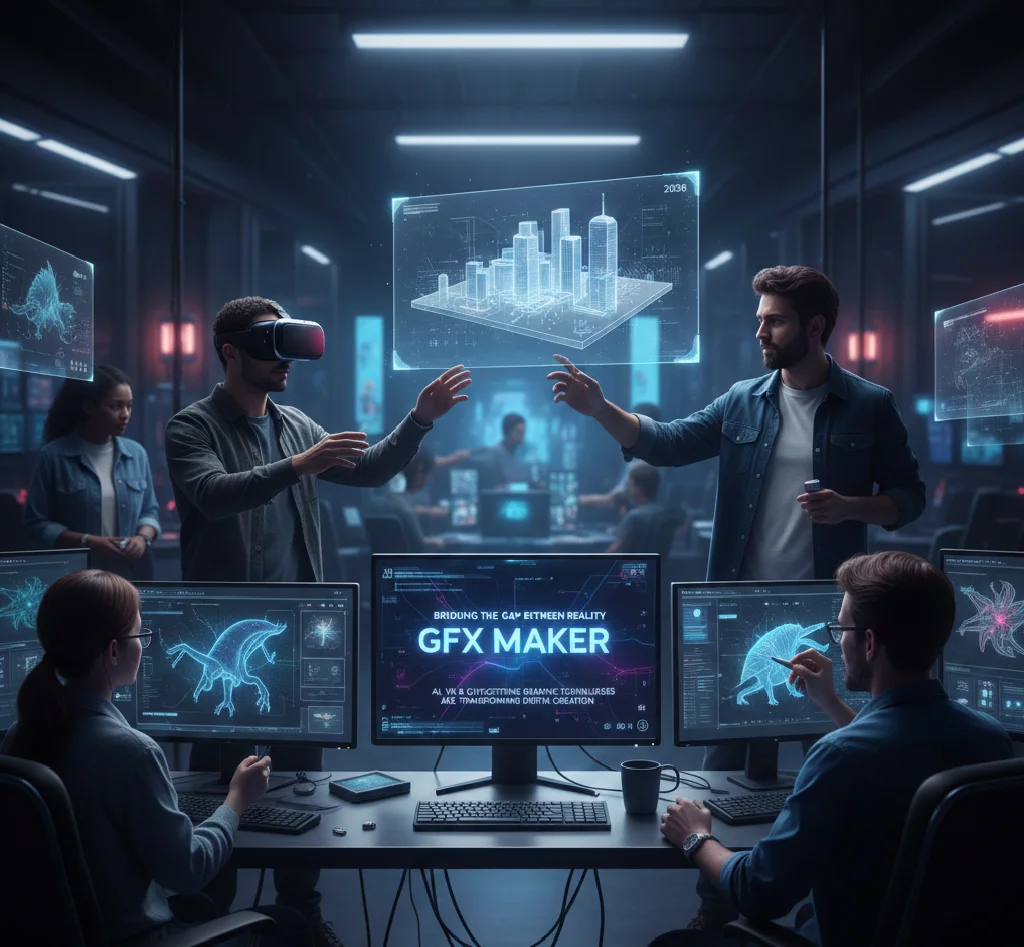
The idea behind bridging the gap between reality GFX maker lies in combining artistic creativity with advanced digital tools to produce graphics that resemble real-world visuals. Traditionally, graphic design relied heavily on manual illustration and basic editing software. While these methods still exist, modern design tools now integrate sophisticated rendering engines, texture mapping, lighting simulations, and artificial intelligence.
By using these technologies, designers can recreate real-world environments, objects, and lighting conditions digitally. This allows graphics to look natural rather than artificial or overly stylized.
For example, modern designers can create digital posters where shadows, reflections, and textures behave similarly to real-world physics. When properly executed, viewers often struggle to distinguish between real photography and digitally created visuals.
Bridging the gap between reality GFX maker also includes workflow strategies that combine photography, digital painting, and 3D modeling. The result is a hybrid form of design that merges multiple creative disciplines into a single visual output.
The Evolution of GFX Makers in Digital Design
Graphic design tools have evolved dramatically over the past two decades. Early design software focused mainly on simple image editing and vector graphics. However, today’s GFX makers incorporate advanced capabilities that allow creators to simulate reality with remarkable precision.
The demand for more realistic visuals began increasing with the rise of social media platforms, digital marketing, and gaming industries. Businesses realized that visually appealing content generates higher engagement rates. As a result, designers began experimenting with ways to make digital graphics look more lifelike.
Modern GFX makers now integrate features such as realistic lighting effects, texture layering, and photorealistic rendering engines. These advancements help designers create visuals that mimic real-world materials like glass, metal, fabric, and skin.
Additionally, artificial intelligence and machine learning have started playing a major role in bridging the gap between reality and digital graphics. AI-powered tools can enhance image quality, generate realistic backgrounds, and automatically adjust lighting conditions.
These technological improvements continue to redefine what is possible in digital design.
Why Bridging the Gap Between Reality GFX Maker Matters
Creating realistic graphics is not simply about aesthetics. It has a direct impact on user engagement, brand credibility, and storytelling effectiveness.
When visuals appear authentic, audiences are more likely to trust the message behind them. Marketing studies consistently show that high-quality visuals increase engagement rates across websites and social media platforms.
Bridging the gap between reality GFX maker techniques also helps businesses communicate complex ideas visually. For example, product visualizations in advertising often use photorealistic graphics instead of traditional photography. This allows brands to showcase products before they are even manufactured.
In the gaming and entertainment industries, realistic graphics significantly enhance immersion. When environments and characters feel authentic, audiences experience deeper emotional connections with the content.
For designers, mastering these techniques means creating visuals that not only look impressive but also effectively communicate messages.
people also read this: 10 Key Global Business Insights for 2026 Success
Core Technologies Behind Realistic GFX Creation
Modern tools used for bridging the gap between reality GFX maker rely on several advanced technologies that enhance realism and creative flexibility.
Realistic Lighting and Shadow Simulation
Lighting is one of the most critical elements in realistic graphics. Natural lighting behaves in predictable ways, and digital tools now simulate these behaviors through sophisticated rendering systems.
Designers can replicate sunlight, indoor lighting, reflections, and shadows. These effects create depth and dimension, making graphics appear closer to real-world photography.
Accurate lighting also helps guide viewers’ attention within a composition, enhancing visual storytelling.
Texture Mapping and Material Rendering
Another essential component of bridging the gap between reality GFX maker is texture mapping. Real-world surfaces contain imperfections, patterns, and variations that add realism.
Modern design software allows artists to apply high-resolution textures that mimic materials such as wood, stone, metal, and fabric. These textures interact with lighting to create believable surfaces.
Material rendering systems further enhance realism by simulating how light interacts with different materials.
3D Modeling and Environmental Design
Three-dimensional modeling has become an important aspect of realistic graphic design. Designers can construct objects, environments, and characters within digital spaces that behave similarly to physical environments.
These models can be rendered into still images or animated scenes. When combined with advanced lighting and textures, the results can appear indistinguishable from real photographs.
3D design tools are widely used in architecture visualization, gaming, film production, and advertising.
How Designers Use GFX Makers to Create Realistic Visuals
Designers approach the process of bridging the gap between reality GFX maker by combining creativity with technical precision.
The first stage typically involves conceptualization. Designers determine the purpose of the graphic, the target audience, and the visual style required to convey the intended message.
Next comes the creation stage, where elements such as backgrounds, objects, and lighting are built using digital tools. Designers may use photography references to ensure accuracy in lighting and perspective.
The final stage focuses on refinement. This includes adjusting colors, improving contrast, adding shadows, and ensuring that every visual element works harmoniously within the composition.
Successful designers pay close attention to small details, because realism often depends on subtle visual cues.
Applications of Bridging the Gap Between Reality GFX Maker
The influence of realistic GFX creation extends across multiple industries.
Digital Marketing and Advertising
Brands frequently use realistic graphics to create compelling promotional visuals. Product advertisements, website banners, and social media campaigns rely heavily on photorealistic graphics.
These visuals help brands communicate professionalism and credibility while capturing audience attention quickly.
Gaming and Entertainment
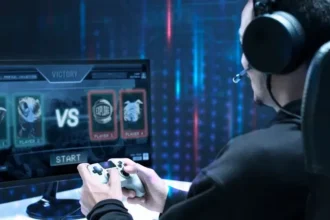
Game developers use advanced graphics tools to build immersive environments and characters. High-quality textures, dynamic lighting, and realistic animations make gaming experiences more engaging.
Film production also uses similar techniques to create visual effects and digital environments.
Social Media Content Creation
Content creators increasingly rely on GFX makers to produce visually striking posts, thumbnails, and banners. Realistic designs stand out in crowded social media feeds and increase viewer engagement.
Influencers, YouTubers, and digital marketers often use these techniques to build stronger brand identities.
Best Practices for Mastering Realistic Graphic Design
Designers who want to succeed in bridging the gap between reality GFX maker should focus on both technical skills and artistic understanding.
Observation of real-world lighting, textures, and materials is essential. The more designers study how objects behave in real environments, the better they can replicate those effects digitally.
Continuous learning is equally important. Design technologies evolve rapidly, and staying updated with new tools and techniques helps designers maintain a competitive edge.
Experimentation also plays a major role. Creative exploration often leads to innovative design solutions that push the boundaries of digital realism.
people also read this: Irobux Login Guide: Quick Steps to Access Your Account
Future Trends in GFX and Realistic Design
The future of bridging the gap between reality GFX maker is strongly connected to emerging technologies.
Artificial intelligence will continue to automate complex design tasks such as background generation, lighting adjustments, and texture creation. This will allow designers to focus more on creativity rather than technical processes.
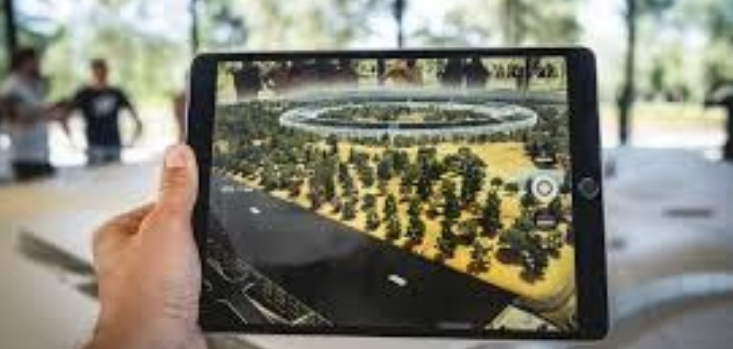
Virtual reality and augmented reality are also expected to influence graphic design workflows. These technologies require highly realistic visuals to create convincing immersive experiences.
Additionally, real-time rendering technologies are becoming more accessible. Designers can now preview complex graphics instantly without long rendering times.
These advancements will further blur the line between digital graphics and real-world visuals.
Conclusion
The concept of bridging the gap between reality GFX maker represents a powerful shift in the world of digital design. By combining artistic creativity with advanced technologies such as realistic lighting, texture mapping, and 3D modeling, designers can create visuals that closely resemble real-world environments.
As industries continue to rely on digital visuals for marketing, entertainment, and communication, the demand for realistic graphics will only increase. Designers who understand and master these techniques will be better positioned to produce compelling content that captures attention and builds trust.
Ultimately, bridging the gap between reality GFX maker is about transforming imagination into visuals that resonate with audiences and elevate the impact of digital storytelling.
FAQs
What does bridging the gap between reality GFX maker mean?
It refers to using advanced graphic design tools and techniques to create digital visuals that closely resemble real-world environments and objects.
Why is realistic graphic design important?
Realistic graphics improve audience engagement, enhance brand credibility, and create immersive visual experiences.
Which industries benefit from realistic GFX creation?
Industries such as digital marketing, gaming, film production, architecture visualization, and social media content creation benefit greatly from realistic graphics.
Can beginners learn realistic graphic design?
Yes. With practice, observation of real-world visuals, and learning modern design tools, beginners can gradually develop skills to create realistic graphics.
For More: britsphere