


Golf is often seen as a leisurely pastime, a sport for the weekend, or a networking opportunity. But beneath the calm greens and serene landscapes lies a hidden treasure for your mind. More than just perfecting your swing, golf offers a surprising array of mental health benefits that many players overlook. Whether you’re a casual golfer or a seasoned pro, understanding how this sport can improve your mental well-being might just inspire you to grab your clubs and head to the course today.
In this article, we’ll dive into 10 mental health benefits of golf exploring how it can relieve stress, enhance cognitive function, boost social connections, and even foster mindfulness. You might be amazed at how a few hours on the course can impact your overall mental health.
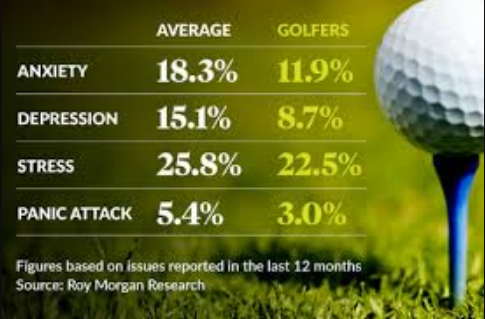
1. Reduces Stress and Anxiety
Golf is a low-impact sport that naturally promotes relaxation. Walking the course, focusing on your swing, and soaking in the natural surroundings provide a mental escape from the daily grind. The repetitive motions of swinging a club or putting a ball can be meditative, reducing cortisol levels in the body.
Unlike high-intensity sports that might increase adrenaline and tension, golf encourages a slower pace. This creates a calm mental state, helping players alleviate stress and anxiety over time. Many golfers report feeling mentally refreshed and more centered after just a single round.
2. Encourages Mindfulness
One of the most underappreciated mental health benefits of golf is its capacity to promote mindfulness. On the golf course, every shot demands your attention. You have to assess the terrain, calculate distances, and visualize the ball’s trajectory.
This focus on the present moment trains the brain to stay grounded, helping players detach from intrusive thoughts or worries. Mindfulness through golf isn’t just a buzzword—it can genuinely improve your emotional resilience and overall mental clarity.
3. Boosts Cognitive Function
Golf is often described as a “thinking sport.” Unlike activities that rely purely on physical prowess, golf challenges both body and mind. Calculating wind speed, choosing the right club, and strategizing each shot engages cognitive functions such as problem-solving, concentration, and decision-making.
Research has shown that engaging in mentally stimulating physical activities like golf can enhance memory, improve attention span, and even reduce the risk of cognitive decline in older adults. In this way, golf serves as a full mind-and-body workout.
4. Enhances Social Interaction
Mental health isn’t just about solitude; human connection is equally important. Golf provides a unique opportunity for social interaction, whether through friendly competitions, golf clubs, or casual rounds with friends.
Spending time with others, sharing experiences, and supporting each other on the course can alleviate feelings of loneliness and depression. Moreover, being part of a golf community fosters a sense of belonging and emotional support, both vital for mental wellness.
5. Improves Mood
Spending time outdoors, engaging in moderate physical activity, and enjoying a game you love naturally improves mood. Exposure to sunlight boosts vitamin D levels, which are closely linked to serotonin production—the neurotransmitter responsible for happiness and mood regulation.
In addition, the satisfaction of making a great shot, completing a round, or even achieving personal goals on the course releases dopamine, giving your brain a gentle “reward” and enhancing overall emotional well-being.
6. Builds Patience and Emotional Control
Golf is notoriously challenging, and mastering it takes time, focus, and patience. Unlike other fast-paced sports, golf requires careful planning, strategic thinking, and acceptance of mistakes.
Learning to remain calm after a missed shot or a poor round teaches emotional regulation and resilience. Over time, golfers often find that this patience translates into other areas of life, helping them navigate stressors with more composure.
7. Encourages Physical Activity
While we often think of golf purely as a mental or leisure activity, walking 18 holes can cover up to 5 miles. The steady physical activity stimulates endorphin production, which is closely tied to mood enhancement and stress reduction.
Even for those who use golf carts, swinging clubs, bending to pick up balls, and navigating the terrain provide gentle exercise that supports both physical and mental health. This synergy of mind and body is a key reason golf remains a holistic wellness activity.
8. Promotes Connection with Nature
There’s something inherently therapeutic about spending hours outdoors, surrounded by rolling fairways, trees, and open skies. Nature exposure has been linked to reduced anxiety, lower blood pressure, and improved cognitive function.
Golf courses offer a unique blend of structured activity and natural scenery, allowing players to benefit from both mental stimulation and the calming effects of being in nature. This connection can be particularly refreshing for those who spend most of their time indoors or in urban environments.
9. Enhances Self-Esteem and Confidence
Golf presents measurable challenges and achievable goals. Each successful shot, each improved score, and each mastered technique can boost self-confidence. Unlike sports where outcomes depend heavily on team performance, golf allows individual growth to shine.
The process of tracking progress, setting personal goals, and overcoming challenges fosters a sense of accomplishment and enhances self-esteem, contributing to overall mental well-being.
10. Provides a Healthy Distraction
Sometimes, mental health benefits come simply from diverting attention from stressors. Golf provides a healthy distraction, immersing players in the present moment while giving their minds a break from work pressures, personal problems, or digital overload.
This mental “reset” helps reduce rumination—a common factor in anxiety and depression—allowing individuals to return to their daily lives with a clearer, calmer perspective.
Additional Tips to Maximize Mental Health Benefits from Golf
To get the most out of golf for your mental health, consider these practical strategies:
- Play regularly: Consistency enhances both mental and physical benefits.
- Focus on the process, not the score: Enjoying the game itself reduces stress and performance pressure.
- Practice mindfulness: Concentrate fully on each shot to boost mental clarity.
- Engage socially: Play with friends or join a golf club for social support.
- Enjoy nature: Take moments to appreciate your surroundings, promoting relaxation and mindfulness.
Table: Quick Mental Health Benefits of Golf
| Benefit | How It Helps |
|---|---|
| Reduces Stress & Anxiety | Lowers cortisol, encourages relaxation |
| Promotes Mindfulness | Focus on each shot, present-moment awareness |
| Boosts Cognitive Function | Enhances memory, problem-solving, strategy |
| Improves Mood | Releases dopamine & serotonin |
| Encourages Social Interaction | Builds connections, reduces loneliness |
| Builds Patience & Emotional Control | Teaches resilience and composure |
| Supports Physical Activity | Walking & swinging boosts endorphins |
| Connects with Nature | Reduces anxiety, increases calmness |
| Enhances Self-Esteem | Achievement & personal progress |
| Provides Healthy Distraction | Diverts attention from stressors |
Conclusion
Golf is more than just a sport—it’s a mental health ally. From reducing stress and enhancing mood to boosting cognitive function and promoting mindfulness, the mental health benefits of golf are vast and well-documented. Whether you’re a seasoned player or just picking up the game, the calm, strategic, and social nature of golf can provide a sanctuary for your mind in today’s fast-paced world.
Next time you step onto the green, remember: each swing is not just a step toward a lower score but also a stride toward better mental well-being. Share your thoughts or your favorite golf experiences in the comments below—your mind might just thank you for it.
For More: https://britsphere.co.uk/