



Your roof doesn’t usually fail overnight. It whispers first. A small stain here, a loose shingle there, a draft you can’t quite explain. Most homeowners miss these early warnings because, let’s be honest, the roof is out of sight and easy to forget about. However, ignoring those signs can quietly drain your savings and put your entire home at risk.
A roof replacement is not just another home improvement project. It’s a structural safeguard, an energy saver, and often the difference between minor repairs and major interior damage. Knowing when to replace your roof can save you stress, money, and endless frustration.
In this guide, we’ll break down seven expert-backed signs that indicate it’s time to seriously consider a roof replacement. These aren’t scare tactics. They’re real-world indicators roofing contractors see every single day. If even one of these feels familiar, your roof may be closer to retirement than you think.
Why Roof Replacement Timing Matters More Than You Think
Many homeowners wait too long, hoping a simple roof repair will solve everything. Sometimes it does. Other times, it’s like putting a bandage on a cracked foundation.
Delaying a roof replacement can lead to:
- Water leaks and moisture intrusion
- Mold growth in the attic or insulation
- Structural damage to decking and rafters
- Higher energy bills due to poor ventilation
- Decreased home value and curb appeal
Moreover, roofing issues often compound quietly. By the time damage becomes visible inside the house, the roofing system above has already failed in multiple areas.
Now let’s get into the seven signs you truly can’t ignore.
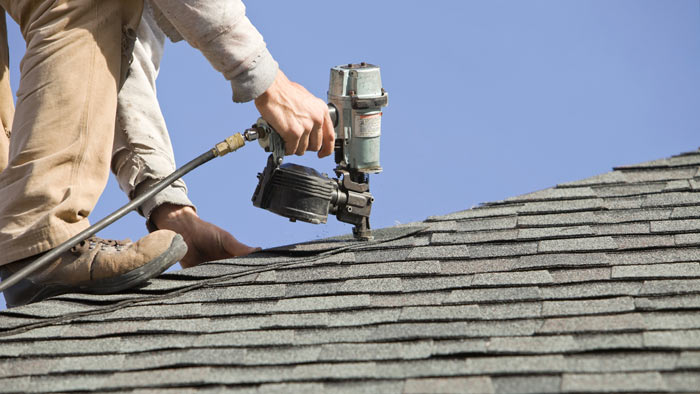
1. Your Roof Is Near or Past Its Expected Lifespan
Every roofing material has a shelf life. Asphalt shingles, the most common residential roofing material, typically last between 20 and 25 years. Metal roofs can last 40 to 70 years, while tile and slate roofing may survive even longer with proper maintenance.
If you don’t know when your roof was installed, that’s already a red flag.
Typical Roof Lifespans by Material
| Roofing Material | Average Lifespan |
|---|---|
| Asphalt shingles | 20–25 years |
| Architectural shingles | 25–30 years |
| Metal roofing | 40–70 years |
| Clay or concrete tiles | 50+ years |
| Slate roofing | 75–100 years |
Even if your roof “looks fine,” age alone can justify a roof replacement. Over time, roofing materials lose flexibility, adhesives weaken, and protective granules wear off. This makes the roof more vulnerable to wind damage, heavy rain, and temperature fluctuations.
If your roof is pushing its age limit, replacement is often more cost-effective than repeated repairs.
2. Curling, Cracked, or Missing Shingles
Shingles are your roof’s first line of defense. When they start to fail, the entire roofing system is compromised.
Look for shingles that are:
- Curling at the edges
- Buckling or lifting
- Cracked or brittle
- Completely missing after storms
These issues usually indicate long-term exposure to heat, moisture, or poor attic ventilation. In addition, granule loss often accompanies shingle deterioration, leaving dark patches or bald spots across the roof surface.
While isolated damage may be repairable, widespread shingle problems usually signal the need for a full roof replacement. Replacing individual shingles on an aging roof can actually create weak points and lead to uneven wear.
3. Frequent Roof Leaks and Water Stains
A single leak might not mean disaster. Multiple leaks almost always do.
Water stains on ceilings or walls, peeling paint, or damp insulation are clear signs your roofing system is failing. Often, homeowners assume leaks come from plumbing issues, but roof leaks are far more common than people realize.
Common Leak Warning Signs
- Brown or yellow ceiling stains
- Dripping water during heavy rain
- Damp attic insulation
- Mold or mildew smells
- Soft or sagging drywall
Moreover, water doesn’t always travel straight down. It can follow beams and trusses, making the source hard to locate. By the time leaks become visible, moisture damage has often spread across the roof decking.
At this stage, roof replacement is usually the safest and most durable solution.
4. Sagging Rooflines or Structural Dips
A sagging roof is never cosmetic. It’s structural.
If your roofline looks uneven or dips in certain areas, it may indicate:
- Rotted roof decking
- Compromised support beams
- Long-term water damage
- Excessive weight from snow or old roofing layers
This is one of the most serious signs that a roof replacement is overdue. Structural sagging can worsen quickly and, in extreme cases, lead to partial roof collapse.
Professional roofing contractors take sagging seriously because it often means the underlying structure needs attention, not just the surface materials.
5. Granules in Gutters and Downspouts
Asphalt shingles are coated with granules that protect them from UV rays and weather damage. When those granules start washing away, the shingles age rapidly.
Check your gutters and downspouts. If you notice piles of sand-like material, your shingles are shedding their protective layer.
Granule loss leads to:
- Increased heat absorption
- Faster shingle deterioration
- Reduced waterproofing ability
- Shortened roof lifespan
While some granule loss is normal over time, excessive buildup is a strong indicator that a roof replacement should be on your radar.
6. Rising Energy Bills and Poor Indoor Comfort
Your roof plays a major role in home energy efficiency. A failing roofing system allows heat to escape in winter and enter in summer, forcing your HVAC system to work overtime.
Signs your roof is affecting energy efficiency include:
- Sudden spikes in heating or cooling costs
- Uneven indoor temperatures
- Drafts near ceilings or attic access points
- Poor attic ventilation
Modern roofing systems are designed with energy-efficient materials, improved insulation, and proper airflow. A roof replacement can dramatically improve indoor comfort while lowering monthly utility bills.
In addition, energy-efficient roofing can increase resale value and appeal to eco-conscious buyers.
7. Your Roof Looks Worn, Faded, or Simply Tired
Sometimes the signs are visual. A roof that looks old usually is old.
Faded shingles, discoloration, moss growth, algae streaks, and uneven coloration all suggest prolonged exposure to moisture and sunlight. While curb appeal might seem superficial, it often reflects deeper roofing problems.
A worn roof can:
- Reduce property value
- Turn off potential buyers
- Signal neglect during home inspections
- Lead to insurance complications
A roof replacement instantly refreshes your home’s appearance and sends a message that the property is well-maintained.
Roof Replacement vs Roof Repair: How to Decide
Homeowners often ask whether repairs are enough or if replacement is unavoidable. The answer depends on several factors.
Roof Repair Makes Sense When:
- Damage is localized
- Roof is under 10–15 years old
- No underlying structural issues exist
- Leaks are minor and infrequent
Roof Replacement Is Smarter When:
- The roof is near the end of its lifespan
- Repairs are becoming frequent
- Multiple problem areas exist
- Energy efficiency is poor
- You plan to sell your home soon
In many cases, repeated repairs cost more over time than a single, well-planned roof replacement.
What to Expect During a Roof Replacement
Understanding the process can reduce anxiety and help you plan better.
Most roof replacements include:
- Inspection and material selection
- Removal of old roofing materials
- Inspection of roof decking
- Installation of underlayment and flashing
- New shingle or roofing material installation
- Final cleanup and inspection
Depending on roof size and complexity, the process usually takes one to three days. Weather conditions and material availability can affect timelines, but professional roofing companies aim to minimize disruption.
Choosing the Right Roofing Contractor
The success of your roof replacement depends heavily on who installs it. A poor installation can shorten the lifespan of even the best materials.
Look for contractors who offer:
- Proper licensing and insurance
- Written estimates and warranties
- Local experience and references
- Clear communication and timelines
Moreover, a reputable contractor will never pressure you into unnecessary upgrades or rush your decision.
Conclusion: Don’t Ignore the Signs Your Roof Is Giving You
Your roof protects everything beneath it. When it starts showing signs of failure, ignoring them rarely ends well. A timely roof replacement isn’t just about preventing leaks. It’s about protecting your investment, improving comfort, and restoring peace of mind.
If your roof is aging, leaking, sagging, or simply costing you more than it should, it may be time to stop patching and start planning. Listen to the signs. Act early. Your home will thank you for it.
For More: Brit Sphere